

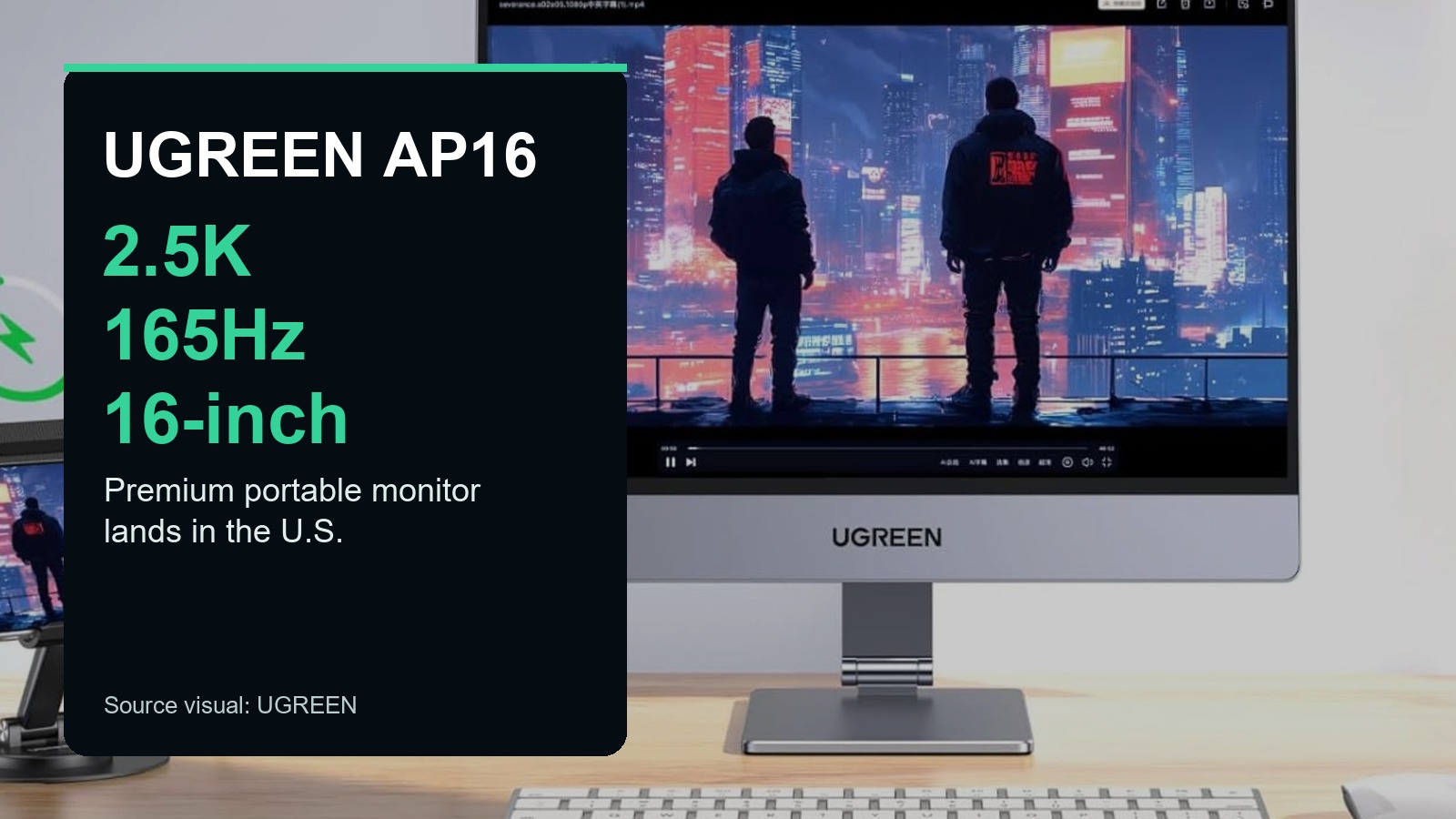
The UGREEN AP16 portable monitor is now listed in the U.S. It is clearly not trying to be the cheapest second screen in your bag.
The 16-inch monitor is priced at $349.99 on Amazon. That pushes it above many basic 1080p travel displays. UGREEN is making the case with a sharper 2560 x 1600 panel, a taller 16:10 aspect ratio, and a 165Hz refresh rate. That mix gives the AP16 a foot in two worlds: remote-work productivity and lightweight gaming.

A Portable Monitor With Desktop Ambition
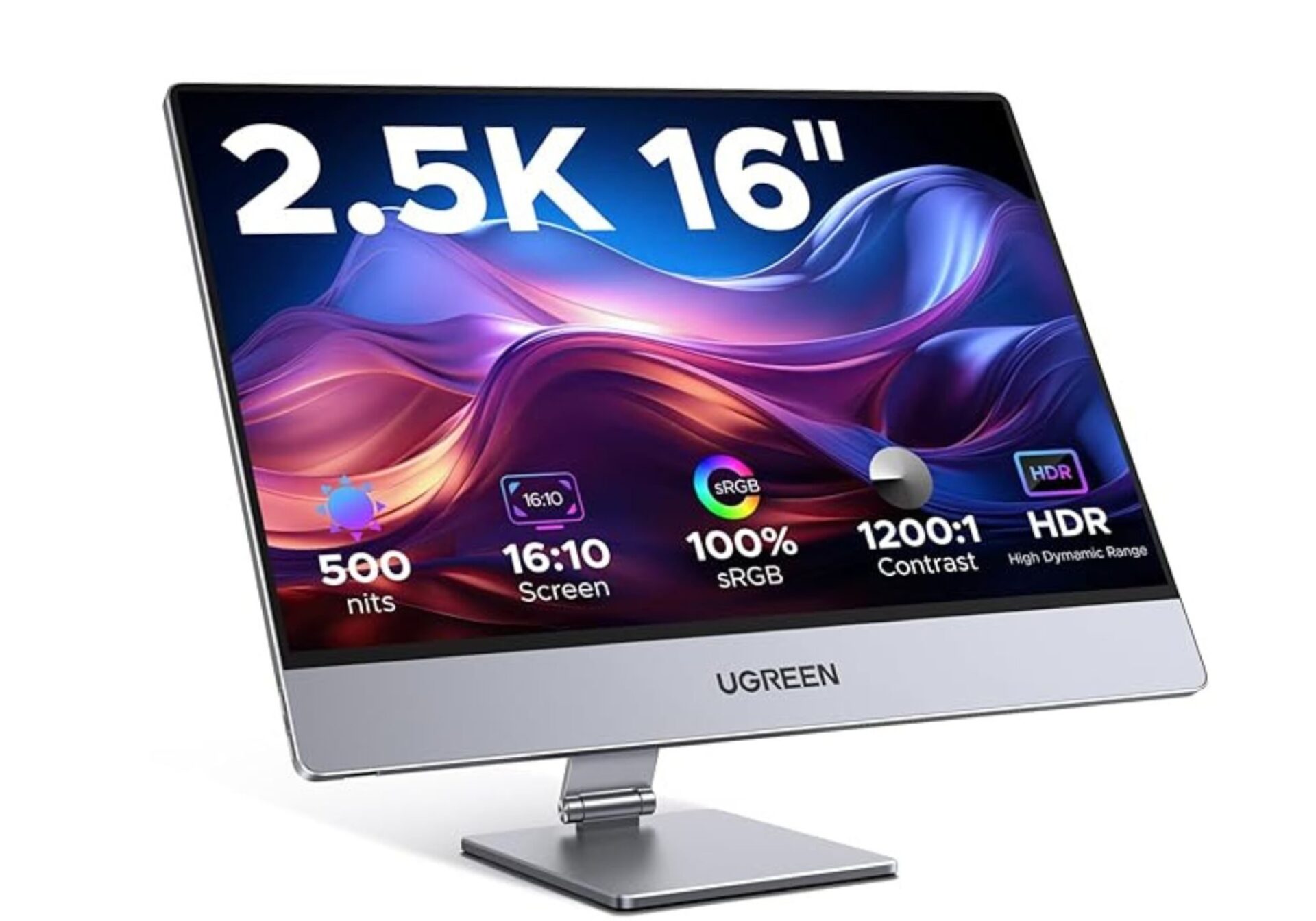
Most portable monitors still live in compromise territory. They are often good enough for email, documents, and a hotel-desk spreadsheet. The panels usually stop at 1080p and 60Hz. The AP16 aims higher. The product listing says the IPS display supports 500 nits of brightness, 100% sRGB coverage, VESA DisplayHDR 400, and a 1200:1 contrast ratio.
Those are useful numbers if you want a travel monitor for more than Slack and browser tabs. The extra vertical space should help with coding, documents, and timelines. The faster refresh rate makes more sense for people who plug in a handheld, console, or gaming laptop between work sessions.
The Price Is The Real Test
The AP16 also leans into premium hardware. UGREEN lists an aluminum body, a magnetic stand, two USB-C ports, Mini HDMI, and built-in speakers. The body is slim at 0.65 cm. The Amazon listing shows a 1.38 kg package weight, so buyers should still think about the stand and accessories before calling it ultralight.
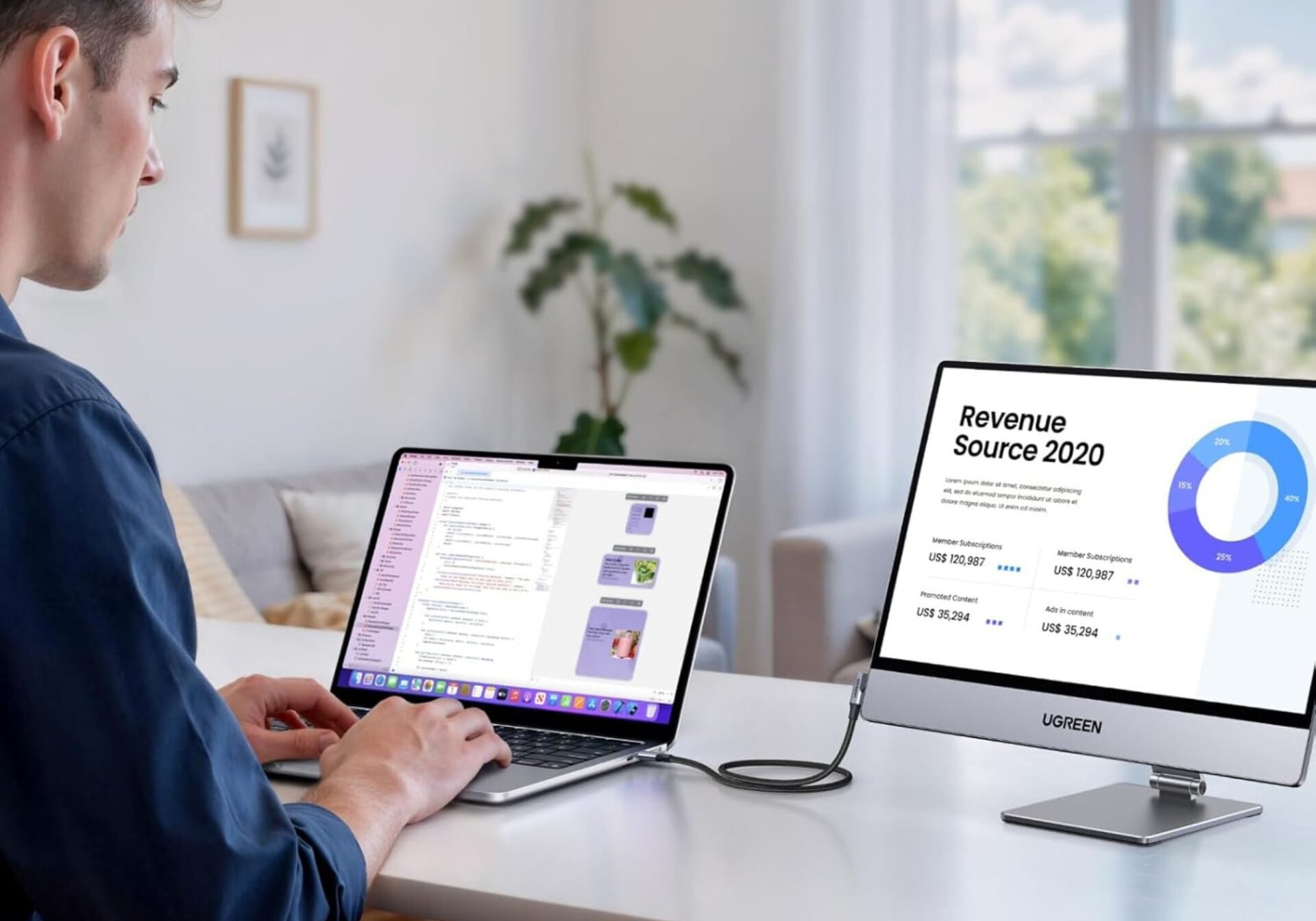
The bigger question is whether a $349.99 portable display makes sense when budget models cost far less. For someone who only needs an occasional second screen, probably not. For a traveler who cares about sharp text, color, brightness, and smooth motion, the AP16 looks more like a specialized workstation accessory than a simple monitor add-on.
UGREEN has been pushing harder into higher-end gear lately, including its NASync DXP GT home NAS lineup. The AP16 follows that same playbook: less bargain-bin accessory, more premium desk setup you can pack. It also lands near a broader wave of creator-focused displays, including Acer’s recent monitor lineup. Resolution and refresh rate are becoming harder to separate.


