
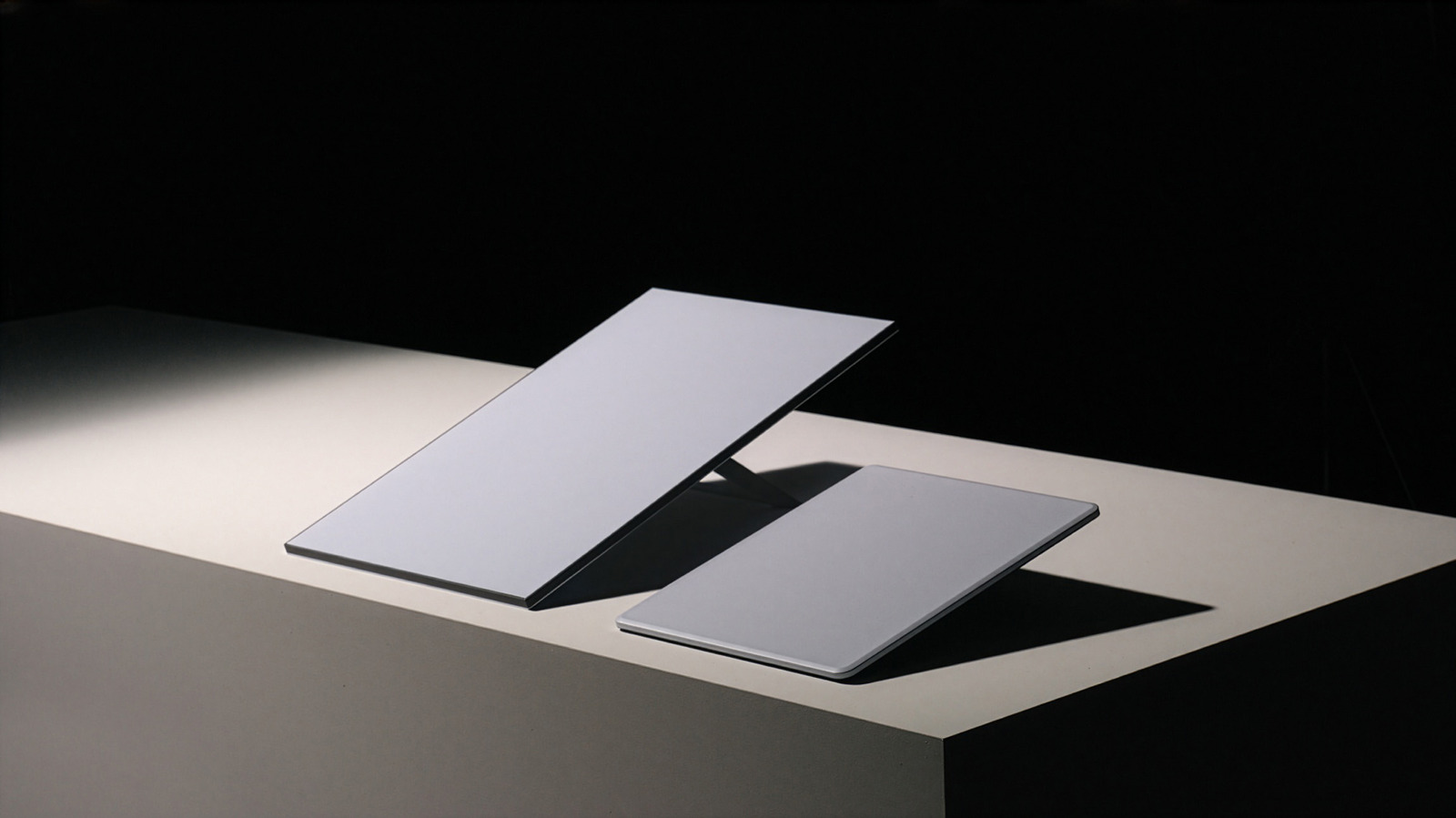
Starlink V5 is SpaceX’s latest residential dish, and it is not a pure speed upgrade. Instead, the new kit is smaller, lighter, and more power efficient than the V4 dish that rolled out in 2023. According to Starlink, it is available now in select areas as production ramps.
That framing matters. Home users often expect a new dish to mean faster broadband. However, Starlink lists V5 peak hardware throughput at 375+ Mbps, slightly under the V4’s 400+ Mbps. The real pitch is easier installs, less bulk on the roof, and lower everyday power draw.
What changes with the Starlink V5 dish
Starlink’s official comparison and specification materials put the improvements in plain terms:
- Weight: about 2.4 lb for the dish, down from about 6.5 lb on V4.
- Size: a much smaller form factor, listed around 15.12 x 12.05 x 1.34 inches versus the larger V4 footprint.
- Power: roughly 35–50 watts average, versus about 75–100 watts for V4.
- Peak data rate: 375+ Mbps hardware peak on V5, versus 400+ Mbps on V4.
- Use case: residential / fixed home service. Starlink says V5 is not intended for in-motion use.
In other words, this is a packaging and efficiency generation more than a raw-speed generation. Because the dish is closer in weight to Starlink Mini, installers and homeowners get less awkward hardware to lift and mount. Still, Mini remains the portable product. V5 is the home kit path.
Kit, router, and availability
Starlink is bundling V5 with the Router Mini and a pipe adapter for rooftop installs. That is different from higher-end residential kits that have shipped with the broader-range Router 3. Therefore early buyers should treat Wi-Fi coverage as part of the purchase decision, not an afterthought.
Official posts and support pages say the next-generation kit is rolling out in select areas first, with broader availability as production scales. Early storefront sightings also suggest some regions currently pair V5 with the lower-tier residential plan rather than every tier at once. Local plan options can still vary, so the order flow in the Starlink app or website remains the ground truth for a given address.
That fits a broader hardware push around Starlink connectivity. SpaceX has also framed V5 as a volume product. Elon Musk previously said the new dish would be made in much higher volume than current terminals. That fits the design: smaller parts count, less mass, lower power, and a kit that is easier to ship and install at scale.
Who should care
If you already have a working V4 residential kit, V5 is not an automatic upgrade just for speed. You may care more if power use, roof load, or install simplicity matter, or if you are ordering a new home kit in a region that now offers V5. Additionally, if you need mobility, look at Starlink Mini rather than this home dish.
For readers following satellite broadband hardware, the bigger story is product segmentation. Starlink now has a lighter residential terminal for fixed homes, a portable Mini for travel, and higher-end Performance hardware for tougher or higher-throughput needs. Starlink V5 fills the mass-market home slot with efficiency first.