


























ChatGPT memory is getting closer to the thing people actually want from an AI assistant: continuity.
OpenAI says its new dreaming-based memory architecture is rolling out to Plus and Pro users in the US first. Free and Go users are next over the coming weeks, along with more countries.
That availability detail matters, but it is not the heart of the story. The real shift is that ChatGPT is supposed to feel less like a fresh tab every time you open it. OpenAI says memory helps the assistant carry forward preferences, projects, and constraints so a new chat can start with shared context.
The real story is continuity
Saved memories launched in 2024. They worked best when users gave direct cues, such as asking ChatGPT to remember a trip, job, preference, or project. OpenAI says that approach could become stale. It also missed context that came up naturally in conversation.
Dreaming is OpenAI’s background process for synthesizing memory from broader chat history. The company says the new version is better at carrying forward useful context, following preferences, and staying current as time passes. That last point is huge. A memory system should know when last week’s plan is now old news.
This is the part that hits for anyone who uses ChatGPT as a work partner, writing partner, coding assistant, or planning tool. Good memory means fewer repeated setup paragraphs. It also means the assistant can pick up the shape of a long-running project without making the user rebuild the whole room every time.
The catch is control
OpenAI is also adding a memory summary page. Users can review what ChatGPT thinks it knows, add or update details, and steer when certain topics should come up. That pairs with OpenAI’s newer memory sources feature, which shows some context behind personalized replies.
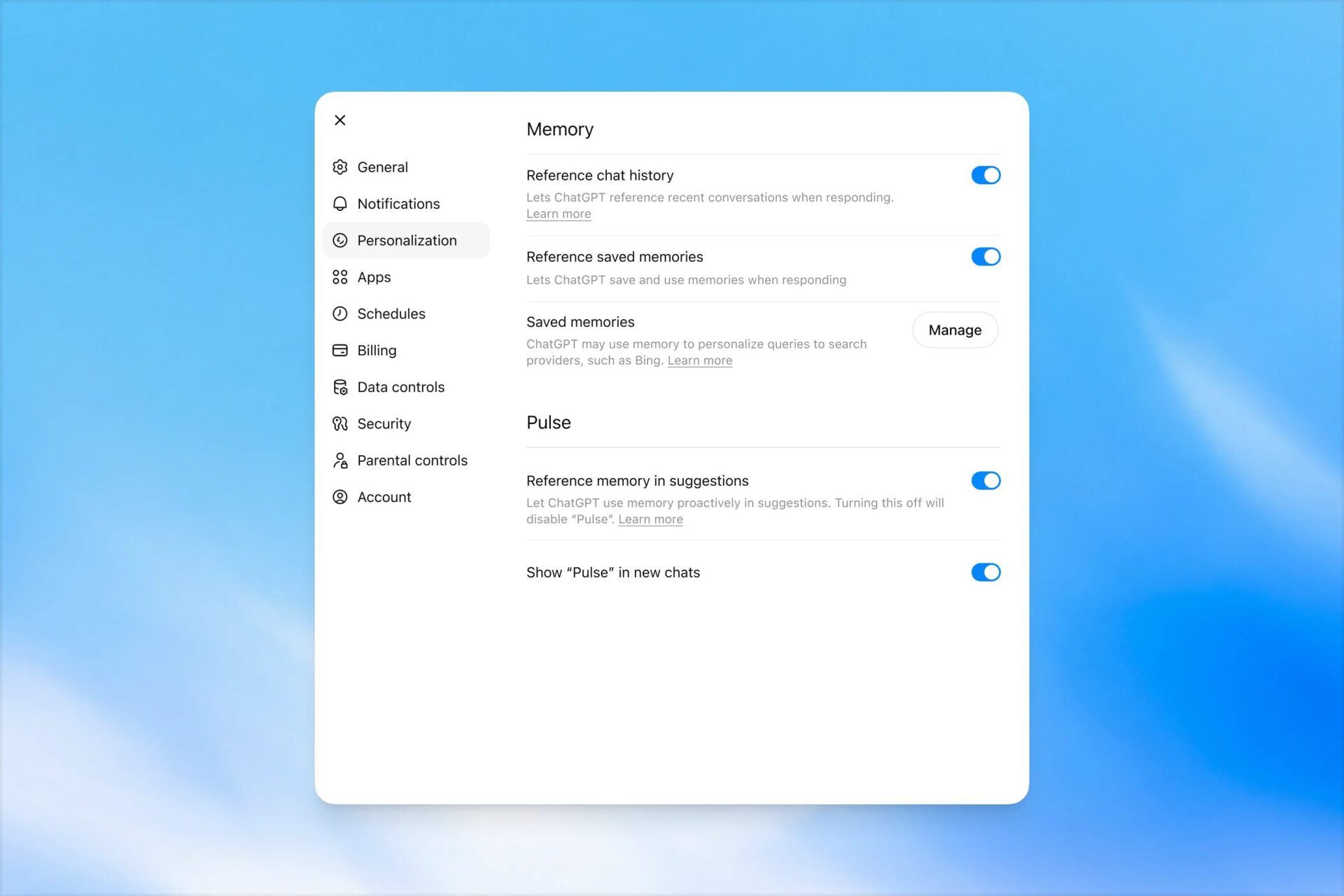
The control layer matters because personalization can get uncomfortable fast when it feels invisible. OpenAI’s Memory FAQ says users can turn memory off, delete saved memories, reset them, or use Temporary Chat when they do not want a conversation to use or update memory.
OpenAI says recent efficiency work cut the compute needed to serve dreaming to Free users by about 5x. That is why this upgrade can move beyond paid accounts. For paid users, the same architecture should also increase memory capacity.
Tech My Money recently covered how ChatGPT PowerPoint beta puts AI inside slide decks. Memory is the connective tissue for that broader app push. If the feature works, ChatGPT becomes less generic every time you come back, but only if users can keep correcting the record.