NVIDIA RTX Spark is NVIDIA and Microsoft’s next big Windows PC pitch. The idea is simple. Instead of sending every AI task to the cloud, your laptop should run agents, creative apps, AI models, and games locally.
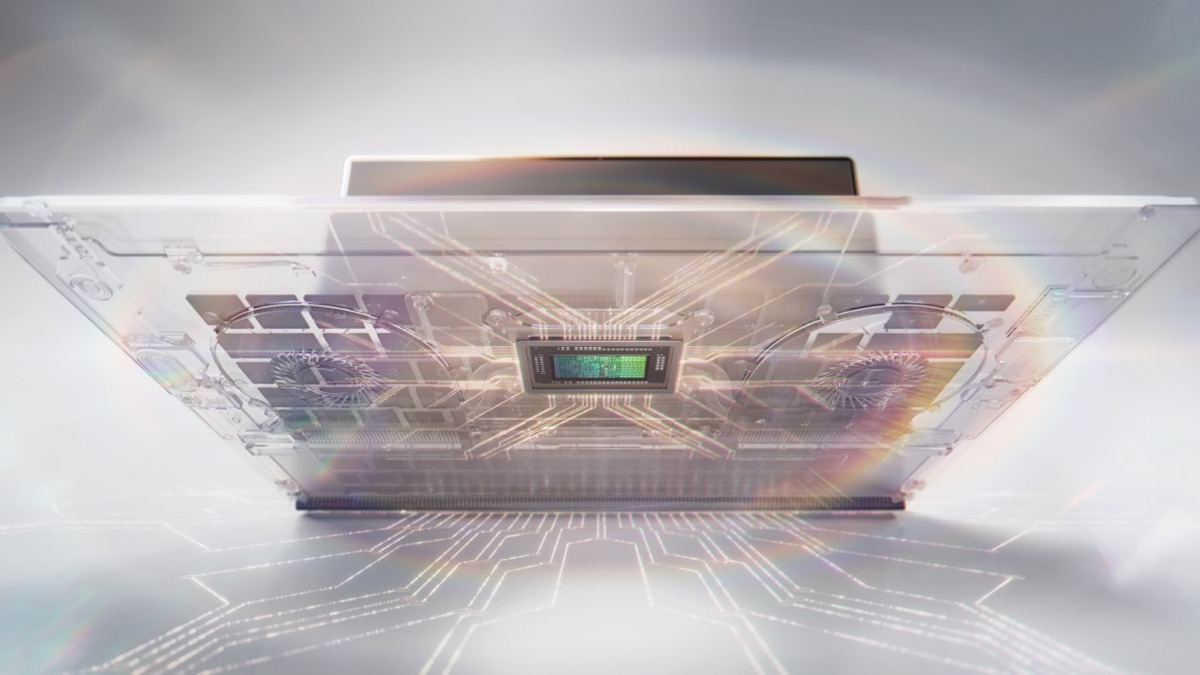
First, NVIDIA announced RTX Spark at GTC Taipei on June 1. The company calls the platform a 1-petaflop superchip for Windows PCs. Inside, the chip combines a Blackwell RTX GPU, 6,144 CUDA cores, fifth-generation Tensor Cores, and a 20-core NVIDIA Grace CPU.
Next, NVLink-C2C links the CPU and GPU. NVIDIA says the platform supports up to 128GB of unified memory. It also brings the full CUDA and RTX ecosystem into slim laptops and compact desktops.
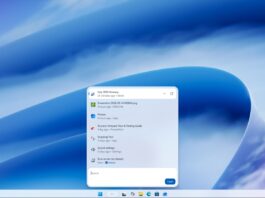
Meanwhile, the Microsoft angle matters just as much. The companies are building Windows-native agent experiences. They also point to new Windows security primitives and NVIDIA OpenShell for local agents.

What RTX Spark is supposed to do
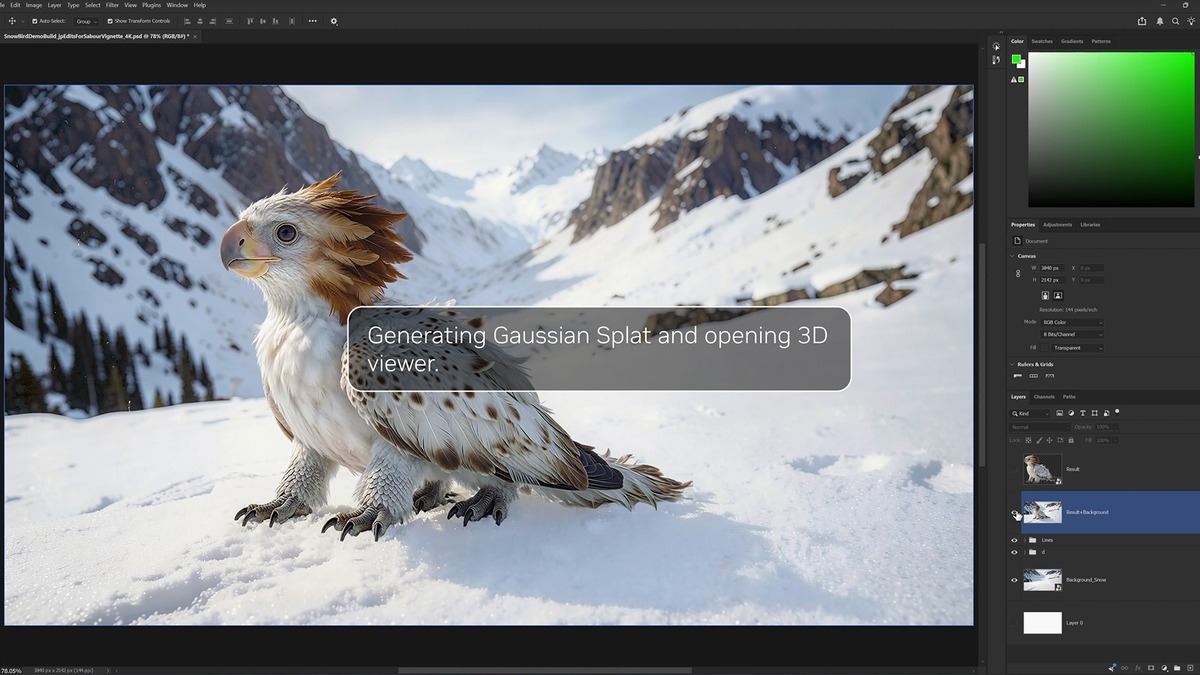
For creators, NVIDIA is using examples that go far beyond normal ultraportable work. It says RTX Spark PCs can render 90GB-plus 3D scenes and edit 12K 4:2:2 video. In addition, the company claims support for 4K AI video generation.
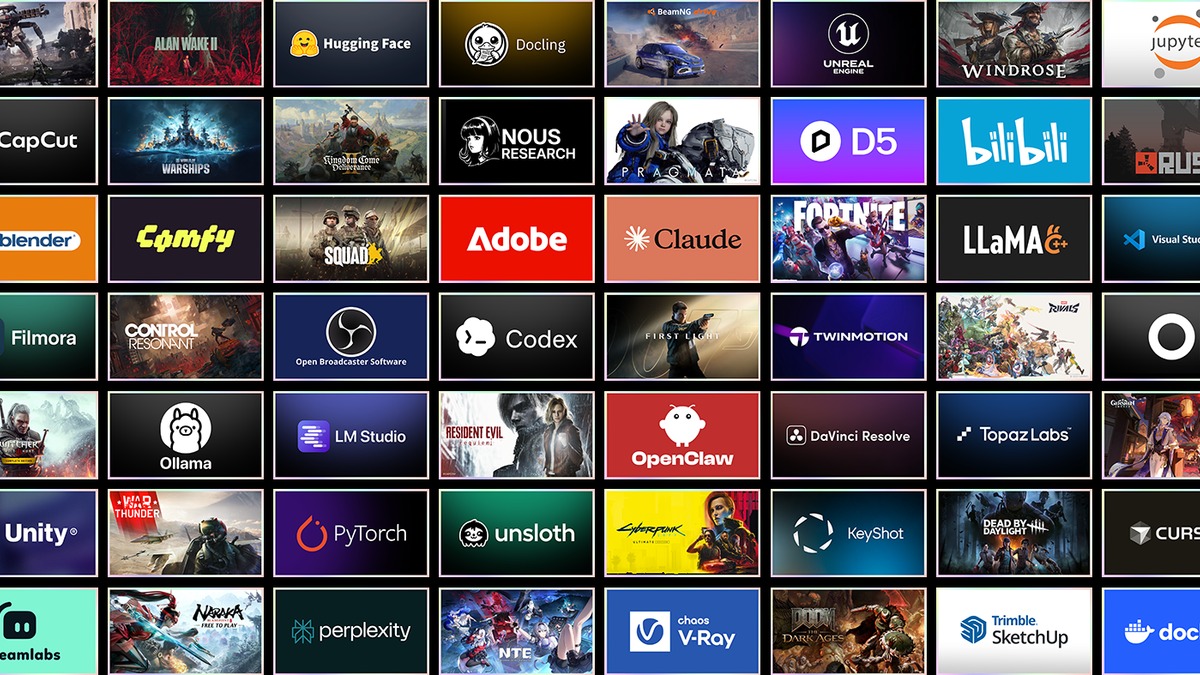
For AI work, the local claim gets even bigger. NVIDIA says systems can run 120-billion-parameter language models with up to 1 million tokens of context. For gaming, it says AAA titles can hit 1440p at more than 100 frames per second.
However, the software stack may matter more than the headline number. NVIDIA is leaning on CUDA, RTX, DLSS, TensorRT, OptiX, Reflex, and G-SYNC. Newer features include DLSS 4.5 Ray Reconstruction.
The first wave arrives this fall
This fall, ASUS, Dell, HP, Lenovo, Microsoft Surface, and MSI plan to ship the first RTX Spark laptops and compact desktops. After that, Acer and GIGABYTE models should follow.
For example, NVIDIA’s product page already lists ASUS ProArt P16, Dell XPS 16, HP OmniBook X 14, Lenovo Yoga Pro 9n, Microsoft Surface Laptop Ultra, and MSI Prestige N16 Flip AI+.
Still, the smart read is excitement with a raised eyebrow. If RTX Spark delivers, Windows PCs get a fresh AI-era identity. If demos outrun daily use, however, it becomes another spec-sheet moonshot. Ultimately, the fall hardware wave will decide.
Related: Acer’s new Aspire AI PCs show how fast the Copilot+ laptop lane is filling up.