Amazon Leo has won FCC approval to acquire about 25 megahertz of Globalstar’s internationally harmonized mobile-satellite service spectrum. In its October 27 announcement, the Federal Communications Commission’s Space Bureau said the decision concludes the agency’s review of Amazon Leo’s $11.5 billion purchase of Globalstar. However, FCC clearance does not mean the acquisition has closed.
What the FCC actually approved
The Space Bureau said Amazon plans to use Globalstar’s spectrum and infrastructure to add capacity and extend connectivity beyond terrestrial wireless networks. It expects public benefits including better coverage in underserved areas, stronger emergency communications and expanded industrial and enterprise data services. The agency also found no likely material public-interest harms.
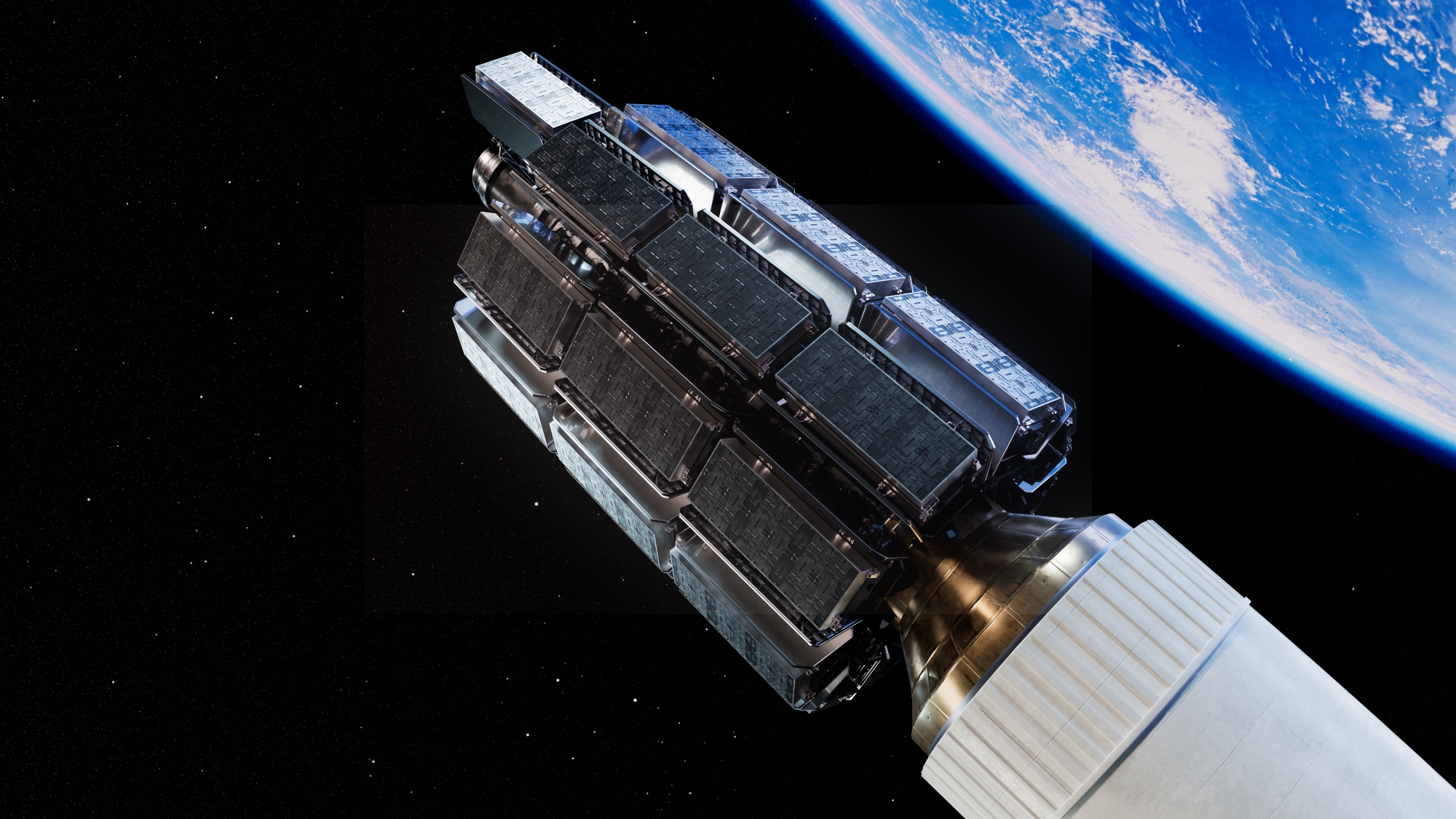
The approval also follows the bureau’s grant of U.S. market access for Globalstar’s C-3 System the previous week. That authorization covers a global network of 48 satellites in 12 orbital planes at an altitude of 1,414 kilometers. Once the transaction closes, Amazon Leo may use the grant to build and launch that system.

The price, and how far off the close is
The $11.5 billion figure is the FCC’s description of the purchase. Globalstar’s April 2026 investor presentation instead described an implied equity value of roughly $11 billion. These are the figures each source reported; the FCC release does not reconcile them.
Under the announced terms, stockholders can elect $90 in cash or 0.3210 Amazon shares for each Globalstar share, subject to adjustments. Cash elections are capped at 40% of total Globalstar shares, with excess cash elections converted to stock on a proportional basis. The stock option’s value is capped at $90 per Globalstar share. In addition, total consideration can fall by up to $110 million if Globalstar misses specified operational milestones.
In April, the companies expected a 2027 closing, subject to regulatory approvals and other conditions, including Globalstar reaching certain replacement-satellite milestones. That forecast remains distinct from the FCC’s October clearance.
Direct-to-device is the prize
Amazon plans to combine Globalstar’s satellite operations, infrastructure and spectrum with Leo’s network to expand direct-to-device services. Its acquisition announcement targets deployment of its own next-generation D2D satellite system beginning in 2028. The plan includes voice, data and messaging for mobile phones and other cellular devices; FCC approval itself does not launch those services or establish compatibility with every handset.
Separately, Amazon and Apple announced an agreement for Leo to power satellite features on supported iPhone and Apple Watch models, including Emergency SOS via satellite. Amazon said Globalstar already supports iPhone 14 or later and Apple Watch Ultra 3. It also pledged continued support for models using Globalstar’s existing and planned constellations while collaborating with Apple on future services.
Meanwhile, the FCC noted earlier authorizations for a 15,000-satellite SpaceX D2D constellation and a 248-satellite AST SpaceMobile system. Amazon’s mission update dated October 28 reported nearly 400 Leo satellites launched across 14 missions. Our earlier coverage explains the Leo constellation’s initial service milestone.
“By approving this deal, the FCC has empowered Amazon Leo to deliver fast, next-gen satellite broadband services, increase competition, and help communities stay connected all across the country.”
FCC Chairman Carr