Meta is rolling out Facebook Verified, a free badge that confirms a real person sits behind a profile. The company frames it as a defense against AI-made accounts, scam listings, and fake dating profiles.
Therefore the signal is about identity confirmation, not celebrity status. Meta says you record a short video selfie. Then the system matches it to your existing profile photos. The process usually takes only a few minutes.
How Facebook Verified works
Eligible accounts must be 18 or older and in good standing under Facebook’s Community Standards. That includes rules on fraud, scams, and inauthentic behavior. Pages and ProMode accounts cannot use the free badge. Meanwhile Meta is launching in phases, starting in select markets before a wider global push.

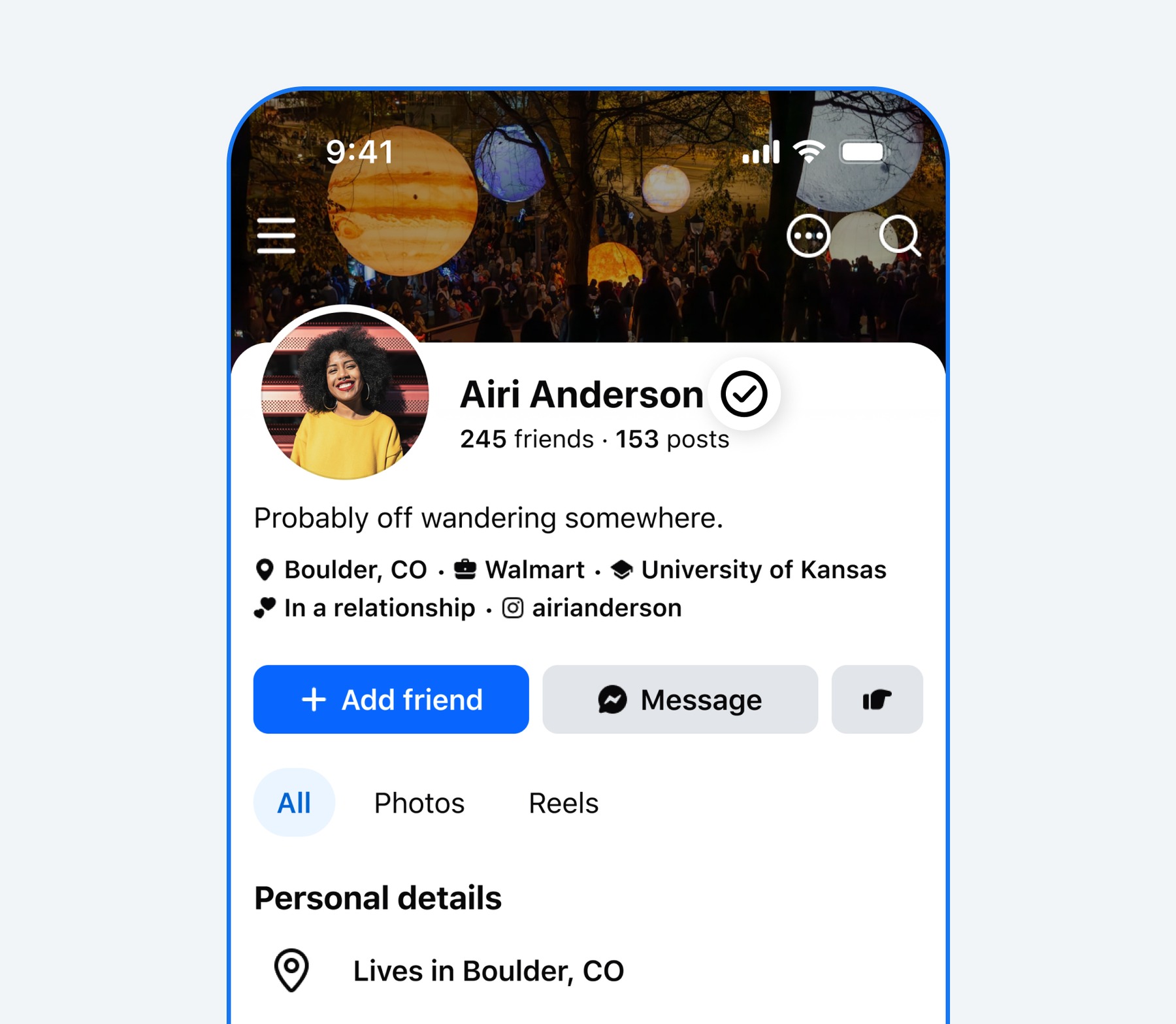
Once you pass, the badge shows up where Meta says trust matters most first: Marketplace, Dating, Groups, and Profile. Feed posts come later. In addition, there is no subscription fee. You verify once, and the mark follows you across those Facebook surfaces.
What the badge means, and what it does not
Meta is careful about the promise. The badge means a profile belongs to a real person who finished selfie verification and met trust standards. However, it does not mean Facebook endorses the user or guarantees they are trustworthy. Community Standards and Commerce Policies still apply.

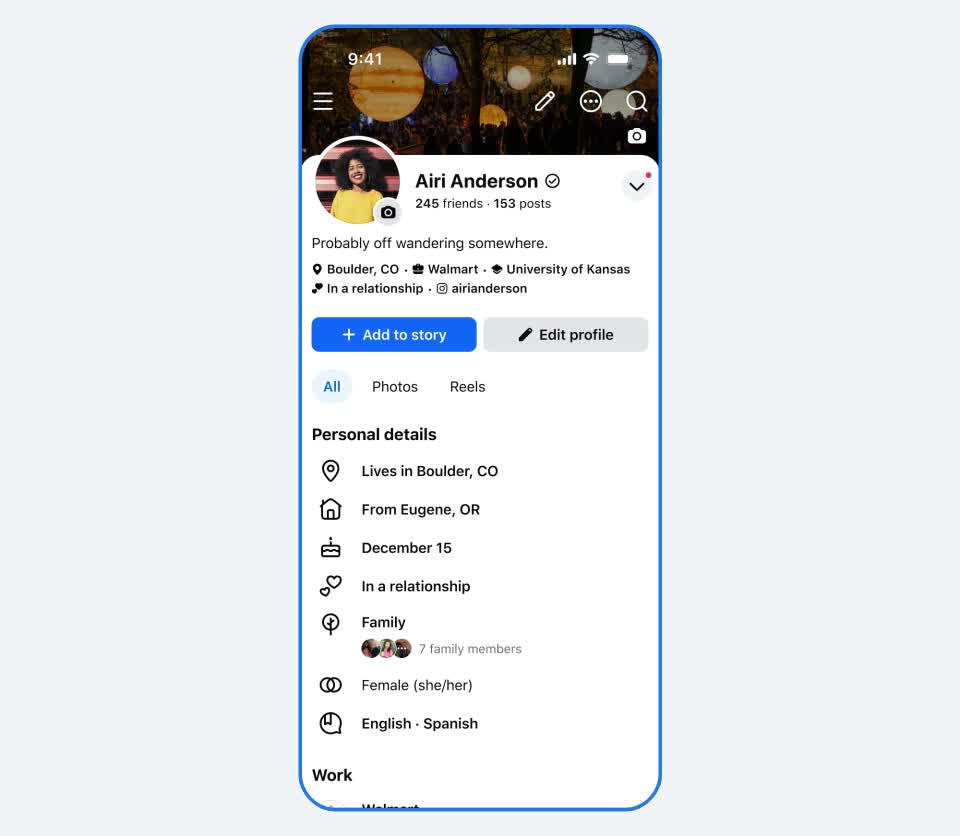
That distinction matters. Old blue checks often read like social status. Instead, Facebook Verified is closer to a human presence check. Use it before you answer a Marketplace listing, accept a date, or trust a Group profile. Meta still leaves fraud enforcement and judgment to its policies and to users.
Not the same as paid Meta Verified
Do not confuse this free program with paid Meta Verified for creators and businesses. Facebook Verified targets everyday people with a selfie match and no monthly fee. By contrast, Meta Verified remains the paid bundle for badges, support, and extra features. Mixing the two names will only make scam claims harder to spot.
Why it matters
AI tools make cheap, realistic fake faces and chatbots easy to scale. As a result, Meta is betting a lightweight face check can cut noise on high-risk surfaces. Tech My Money has tracked similar trust fights. One thread is India pressing Meta over WhatsApp username fraud risks. Another is Apple building mid-scam warnings into iOS Trust Insights.
Still, a free badge is not a silver bullet. Facial checks raise privacy questions, and bad actors may try to spoof the flow. Meta has not published detailed spoof-resistance results here. For now, treat the badge as one more signal, not proof that a deal or date is safe. If the rollout reaches your market, you should see the option on an eligible personal Facebook account.