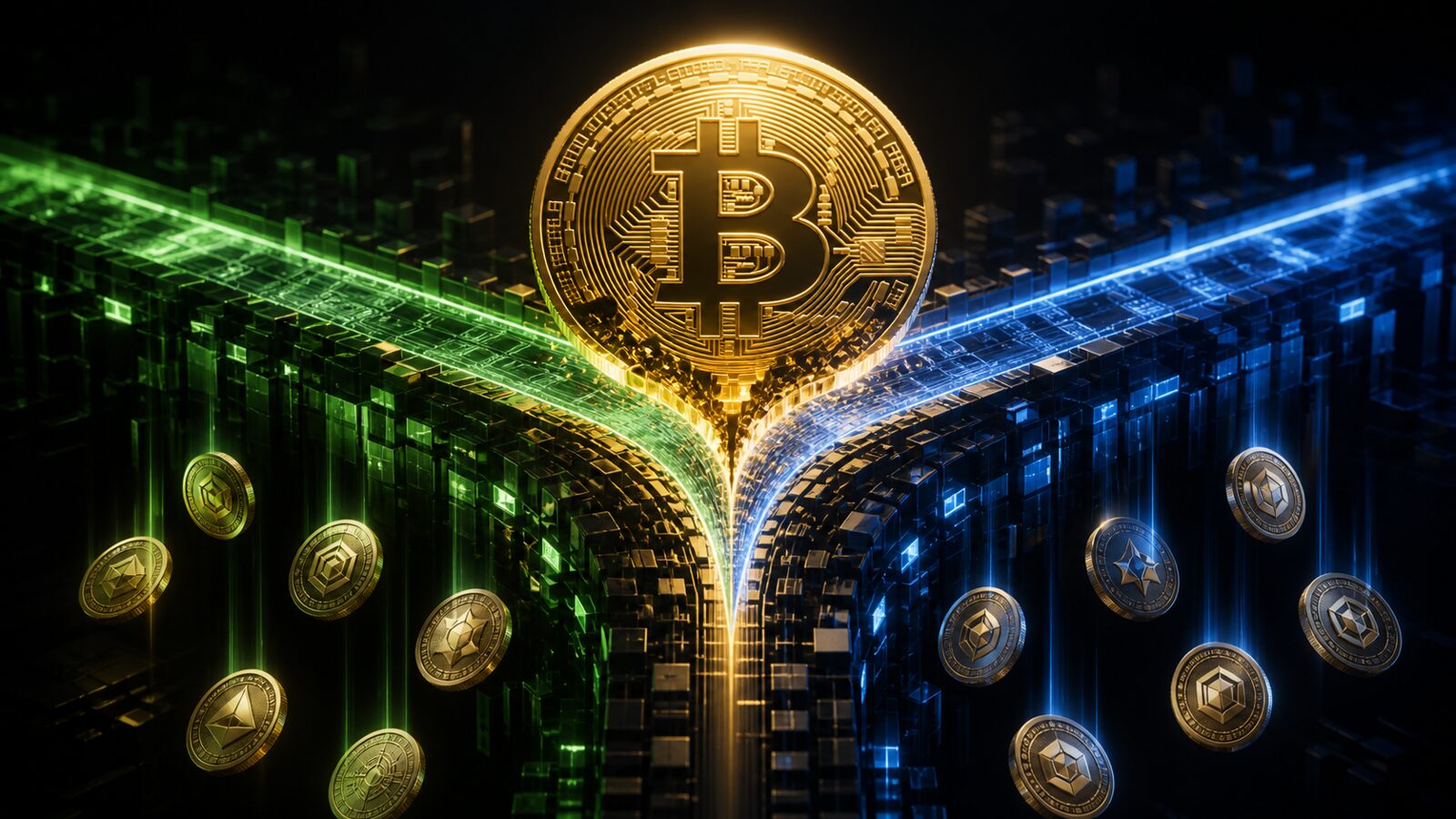
Bitcoin fork season is back on the calendar, but this round looks more like a warning label than a new block size war. Two 2026 fork efforts could leave bitcoin holders with claimable coins or a smaller spin-off network this summer.
The first is eCash, a planned hard fork tied to longtime Drivechain advocate Paul Sztorc. The proposed launch is aimed at August 21. If it launches as described, many bitcoin holders at the snapshot point would receive a matching eCash balance on the new chain.
Why eCash is trying a hard fork
Drivechain has been discussed for years through BIP 300 and BIP 301. The idea is to let Bitcoin interact with sidechains that run different rules. Those sidechains could support larger blocks, privacy tools, tokens, prediction markets, or other experiments without changing Bitcoin itself.
That pitch never gained the broad agreement needed for a Bitcoin soft fork. So eCash appears to be taking the idea somewhere else. Instead of changing Bitcoin, it would launch a separate network with Drivechain-like rules turned on from the start.
The second effort is BIP 110, a draft proposal that targets arbitrary data in Bitcoin transactions. Its supporters want temporary consensus limits on data-heavy transaction behavior linked to inscriptions, Ordinals, Runes, and similar activity. Critics argue that fee-paying transactions should not be filtered by taste, even when users dislike what they carry.
The fork most holders may want to ignore
BIP 110 has an activation path if enough miners signal support. A public BIP 110 signaling tracker showed support far below the 55% threshold in June. If enforcement starts without enough miners and users, BIP 110 nodes could separate themselves from the main Bitcoin network.
That is why holders should treat any forked coins carefully. Forks can create assets controlled by the same private keys as real bitcoin. Moving those assets can expose users to replay risks or unsafe wallet software if protections are weak.
The safest move is patience. Do not paste seed phrases into unfamiliar tools just to chase a free coin. Bitcoin users have seen fork coins before, and many ended up ignored, sold, or forgotten. This time, the bigger story may be that Bitcoin’s technical fights are still alive, even if the main network is not following them.
Tech My Money has also covered other crypto-adjacent experiments, including Bitcoin rewards for Bible reading and Microsoft’s older move to accept Bitcoin payments. The lesson is the same: free crypto often comes with fine print.