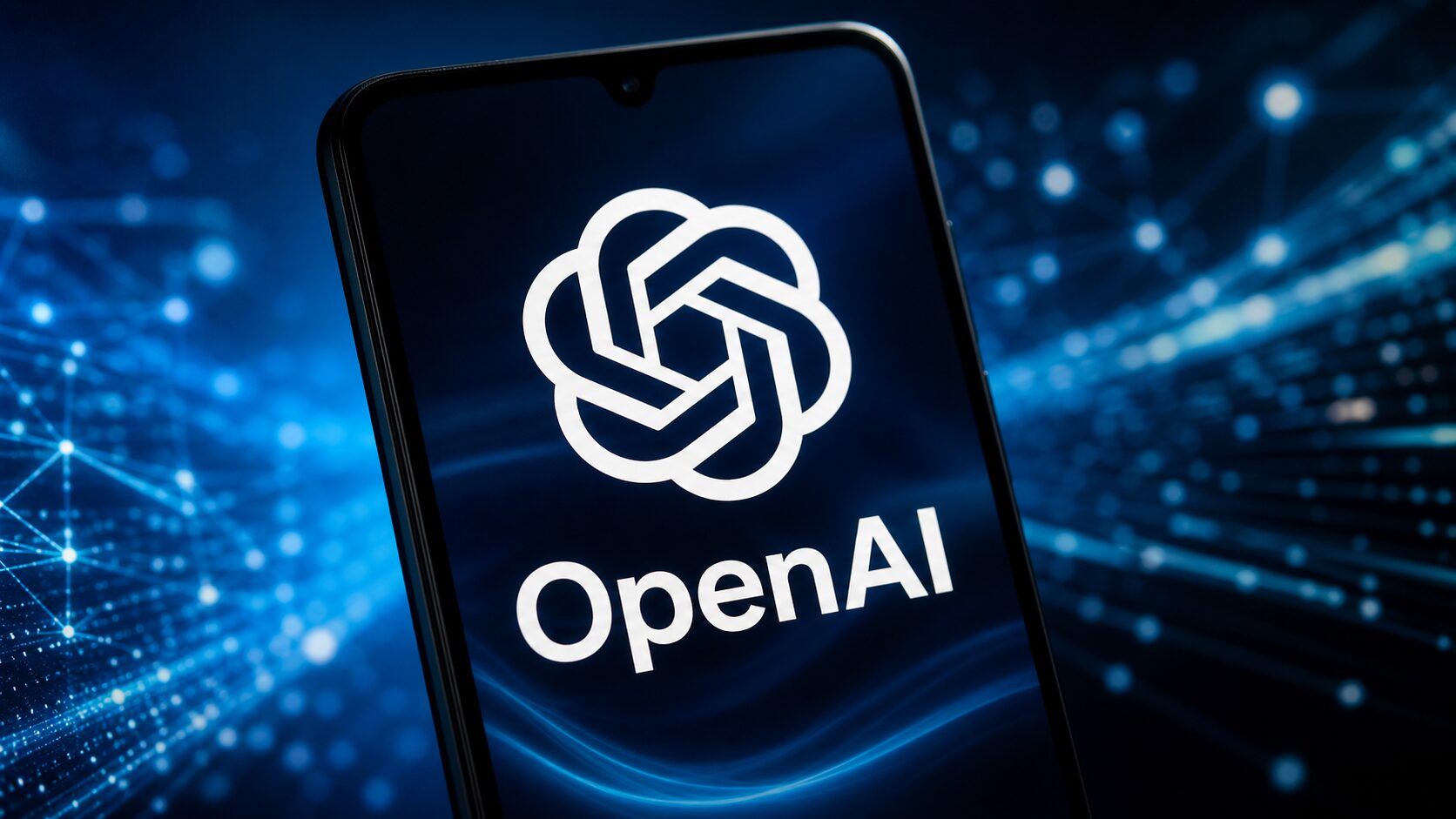
OpenAI is adding a more formal licensed-image lane to ChatGPT search. Getty Images announced a multi-year display agreement with OpenAI. Its licensed content libraries will appear across search and discovery experiences inside ChatGPT.
The deal is about showing Getty Images content inside ChatGPT responses. It is not a broad announcement about training OpenAI image models on Getty’s archive. Getty said the agreement should make visual responses richer. CEO Craig Peters framed licensed visuals as a way to make AI-powered search more useful and trustworthy.
What the Getty Images deal covers
According to Getty’s newsroom release, the partnership lets OpenAI display Getty Images’ licensed content in ChatGPT. The company did not disclose financial terms. The announcement also does not say the images will train OpenAI’s image-generation systems.
That distinction matters because image licensing is a pressure point in consumer AI. Chatbots and AI search tools increasingly answer with visual material. Those results need clear sourcing, permission, and attribution if publishers, photographers, and platforms are going to trust the model.
Getty has already moved in this direction with other AI search products. In October 2025, it announced a separate multi-year image partnership with Perplexity. That deal focused on displaying licensed images and improving image crediting inside AI-powered search. The OpenAI deal brings the same basic idea to a much larger ChatGPT audience.
Why this matters for ChatGPT
For users, the visible change should be simple. ChatGPT search results can include more polished, licensed photos where an image helps answer the question. For OpenAI, the deal gives ChatGPT a cleaner path to professional visual material. It does not have to depend only on open web scraping, user uploads, or generated images.
It also fits a broader shift in ChatGPT from a text-only assistant into a search and discovery surface. Recent moves point in the same direction. ChatGPT Scheduled Tasks got a dedicated page, and reports have described a broader ChatGPT overhaul. OpenAI appears to be making the product feel more like a daily workspace, not just a prompt box.
Licensed images could help that push. They are especially useful for questions about news, entertainment, sports, products, places, and historical events. In those cases, a real photograph is often better than an AI-generated stand-in. The deal may also give OpenAI a clearer answer to critics who say AI search borrows too much value without formal deals.
The open question is attribution
Getty’s announcement says its content will appear in ChatGPT. It does not spell out exactly how ChatGPT will label, link, or credit each image. That will be the important implementation detail. Clear credits and links could make ChatGPT’s visual answers more trustworthy. If attribution is too subtle, creators may still ask how much value comes back to them.
For now, the takeaway is that OpenAI is not just licensing text and news content around ChatGPT. It is also lining up professional visual libraries for AI search. Getty Images, meanwhile, is choosing a display partnership with one of the biggest AI platforms. That puts the company on the dealmaking side of the AI copyright fight, not only the litigation side.