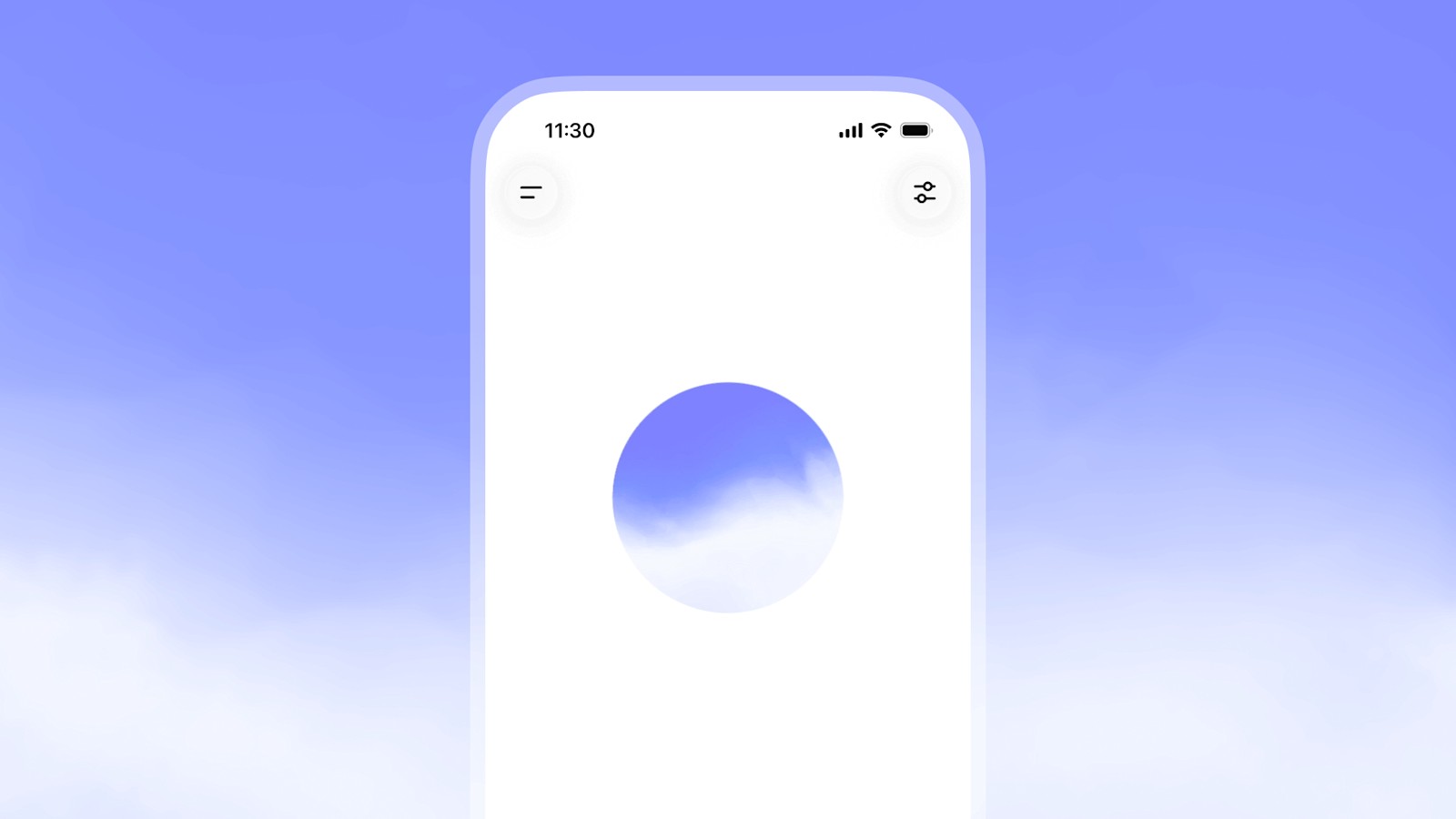
ChatGPT voice mode just got its biggest rebuild yet. OpenAI announced GPT-Live, a new generation of voice models built on a full-duplex architecture. In plain terms, ChatGPT can now listen and speak at the same time. So you can interrupt mid-answer, pause to think, or simply ask it to slow down, and it adjusts without restarting the conversation.
Two versions are rolling out globally starting July 8. GPT-Live-1 becomes the default voice model for Go, Plus, and Pro subscribers. Meanwhile, free accounts get GPT-Live-1 mini. Both arrive across iOS, Android, and ChatGPT.com over the next few days.
From Taking Turns to Real Conversation
ChatGPT’s original voice feature chained three models together: speech-to-text, a language model, and text-to-speech. That worked, but it felt slow and stilted. Later, turn-based models like Advanced Voice Mode improved speed, yet the conversation still had to stop and restart. However, GPT-Live decides every fraction of a second whether to speak, keep listening, pause, or interrupt.
As a result, the model behaves more like a person on a call. It acknowledges you with a “mhmm” or “got it” while you talk, and it stays quiet when you need a moment. Additionally, the constant awareness of timing unlocks live simultaneous translation, something the old turn-based system simply could not do. OpenAI also remastered all nine ChatGPT voices for the new models.

Smarter Answers, Now With Visuals
GPT-Live is not doing all the thinking alone. For harder questions or anything needing current data, it quietly hands the work to stronger models like GPT-5.5. Then it bridges the wait naturally, saying something like “let me check that for you” instead of going silent.

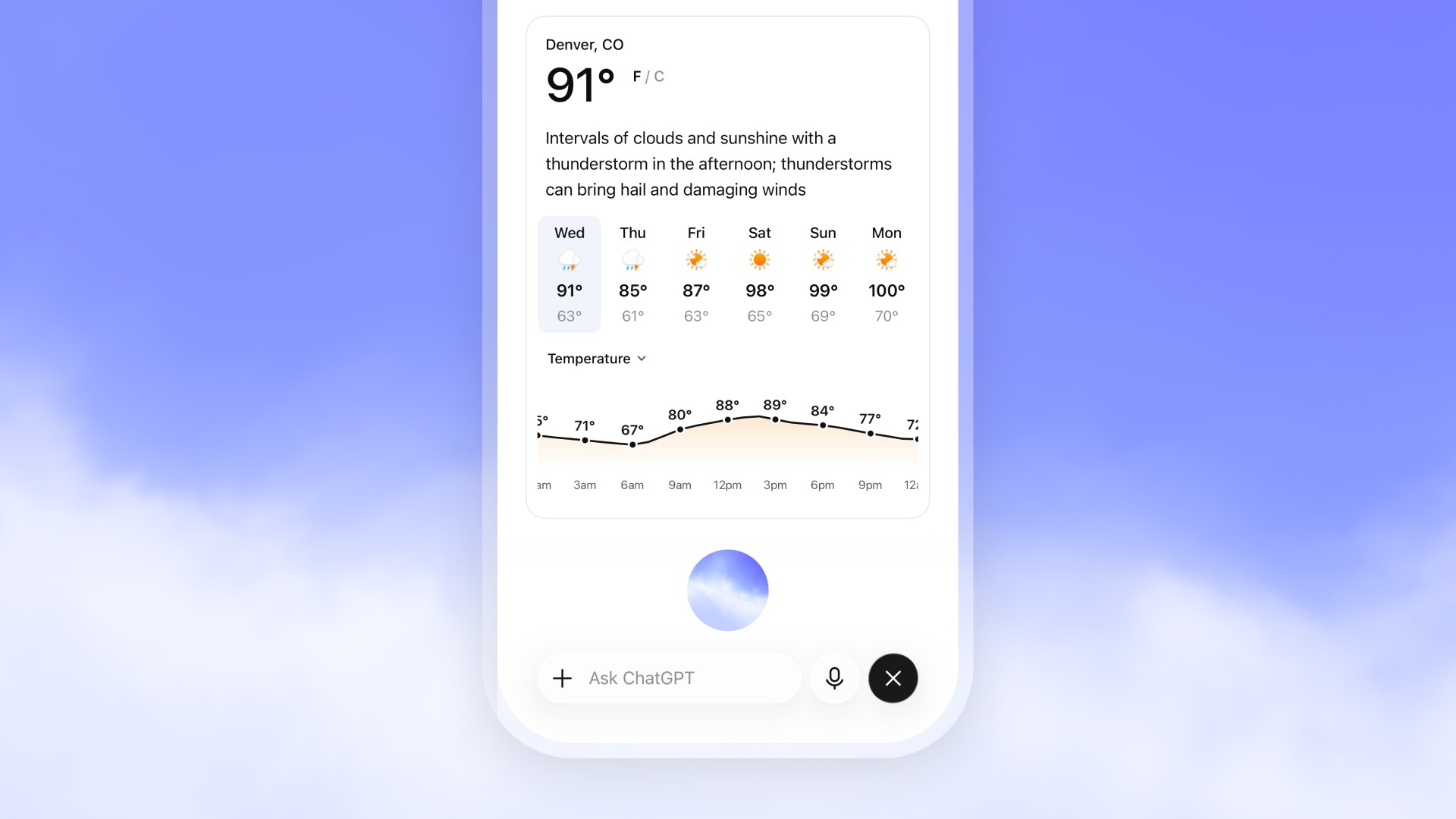
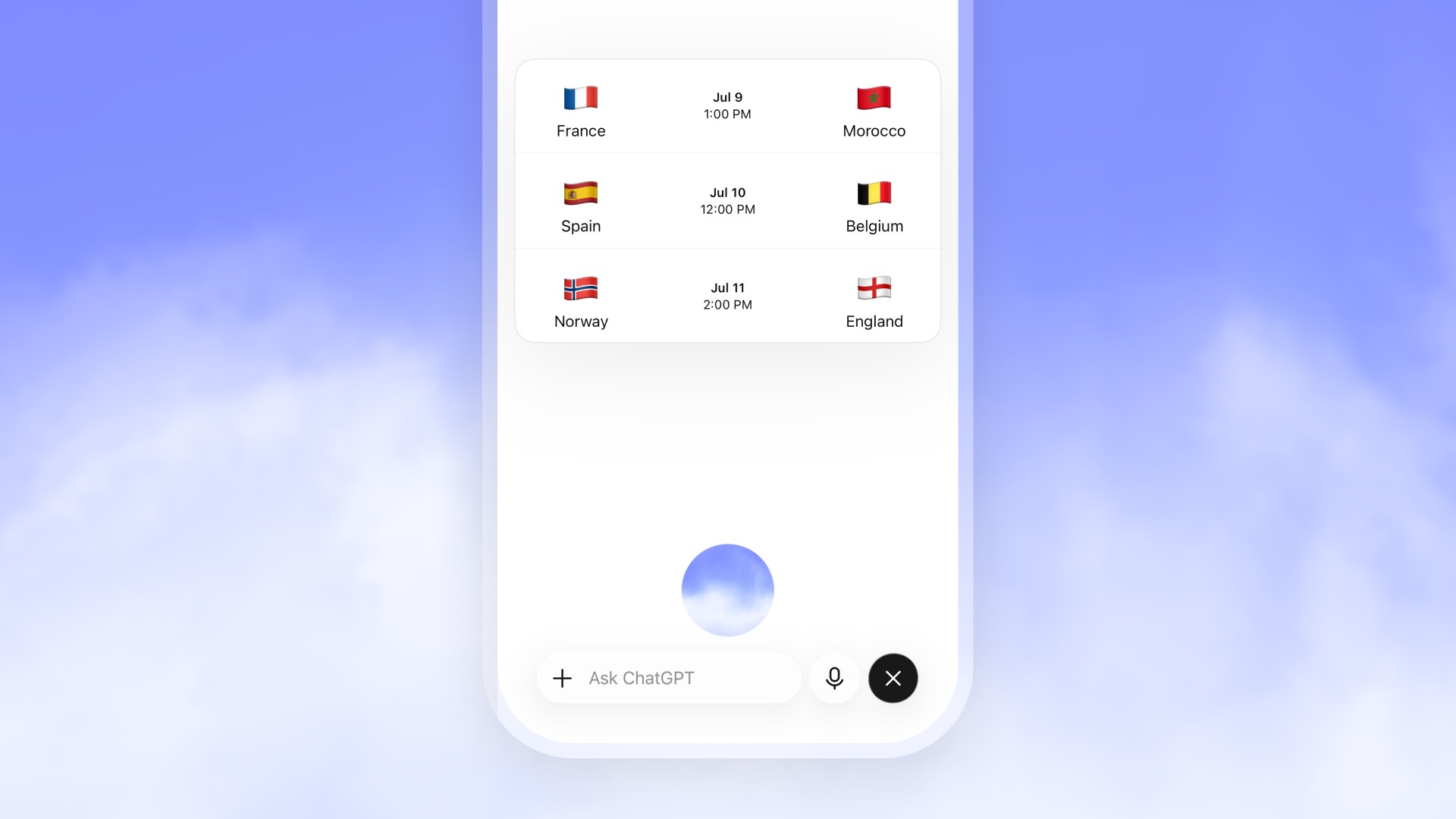
Spoken answers also gain a visual layer. Ask about weather, sports, or stocks, and ChatGPT now displays widget-style cards on screen while it talks. Consequently, voice mode stops being an audio-only experience and starts feeling closer to a full assistant.
Guardrails and What Comes Next
OpenAI says it trained age-appropriate behavior directly into the models to support teen users. Furthermore, parents can decide whether their teen can use ChatGPT Voice at all through Parental Controls, with notifications for higher-risk situations. An API version is coming soon for developers as well.
The timing is no accident. The launch lands one day before OpenAI’s GPT-5.6 public rollout, and voice is quickly becoming the next battleground for AI assistants. Rivals are pushing hard too, as Anthropic showed when Claude Sonnet 5 narrowed the gap for AI agents. For now, though, telling your chatbot to slow down, and having it actually listen, is OpenAI’s edge.