

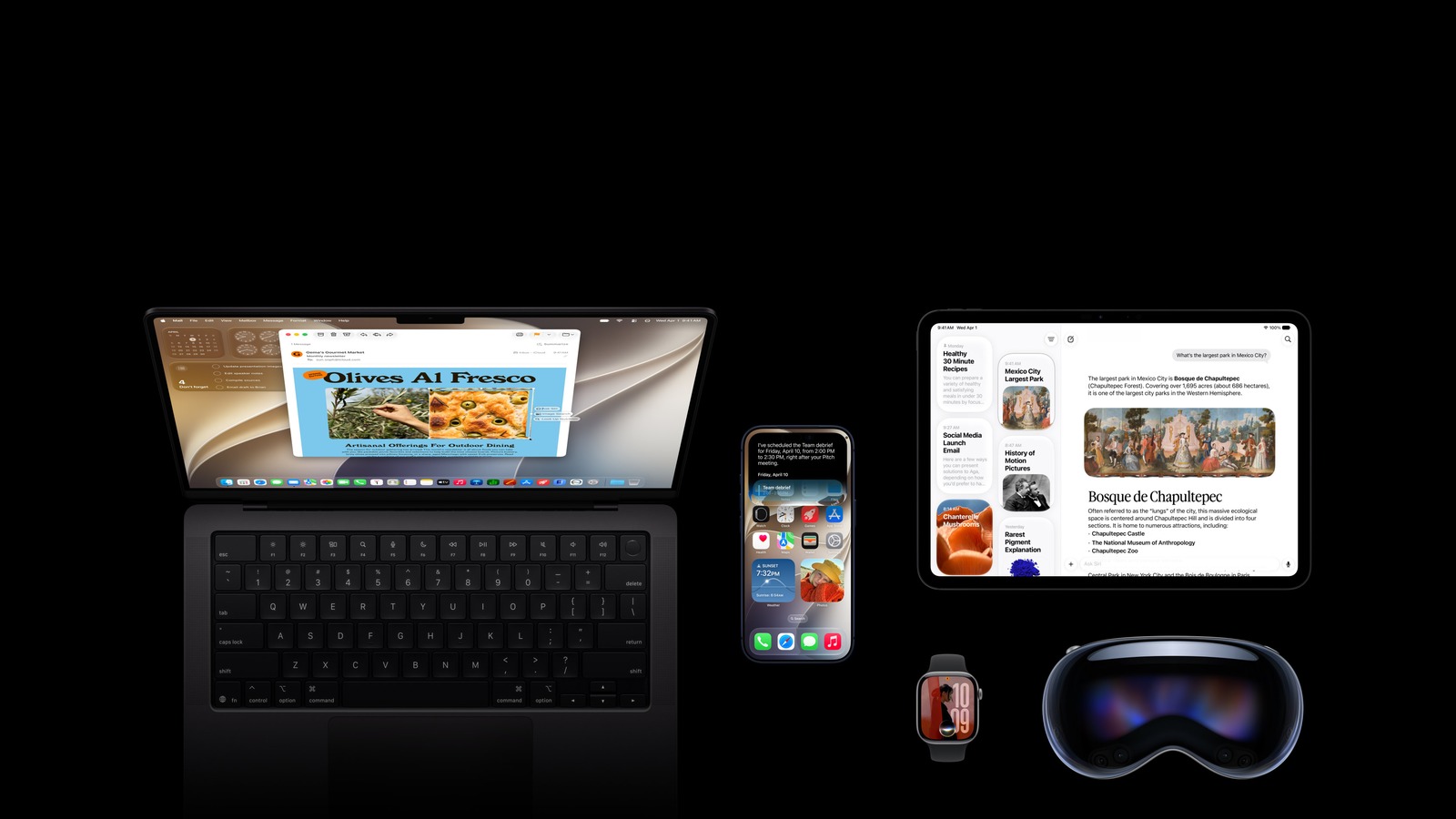
macOS 27 Golden Gate makes Apple’s Intel cutoff official. Apple’s current macOS compatibility list only names Macs with Apple silicon, which means Intel-based Macs will stay on macOS 26 Tahoe instead of moving to Golden Gate.
That will not surprise anyone who followed Apple’s transition closely. The company moved the Mac from Intel chips to its own Apple silicon starting in 2020. macOS 27 is the point where that transition stops being a mixed-hardware story for new feature releases.
Which Macs make the cut
Apple says macOS 27 supports MacBook Neo, MacBook Air models with Apple silicon from 2020 and later, MacBook Pro models with Apple silicon from 2020 and later, iMac models with Apple silicon from 2021 and later, Mac mini models with Apple silicon from 2020 and later, Mac Studio models from 2022 and later, and the Apple silicon Mac Pro from 2023.
The simple version: if your Mac has an M-series chip, you are probably in the Golden Gate lane. If it has an Intel processor, macOS Tahoe is the final major stop.
What Intel Mac owners should do
The cutoff does not make an Intel Mac useless overnight. Apps, documents and daily workflows can keep running on macOS 26. The important change is that Apple’s newest macOS features, including its latest Apple Intelligence and Siri work, now target newer Mac hardware.
If you rely on an Intel Mac for work, the practical move is to check the exact model before installing beta software or planning a production upgrade. It is also worth watching your must-have apps, because developer support often follows Apple’s platform support over time.
Why Apple is moving on
Apple is pitching macOS 27 around a more responsive, AI-aware Mac experience. That is easier to support when Apple controls the processor, neural engine, graphics stack and system memory architecture. The tighter hardware target gives Apple more room to tune features without carrying older Intel-era limits into every release.
For more Apple coverage, follow our Apple news hub. The bigger takeaway is not just that Intel Macs missed one update. It is that Apple now treats Apple silicon as the baseline for the Mac’s future.


