

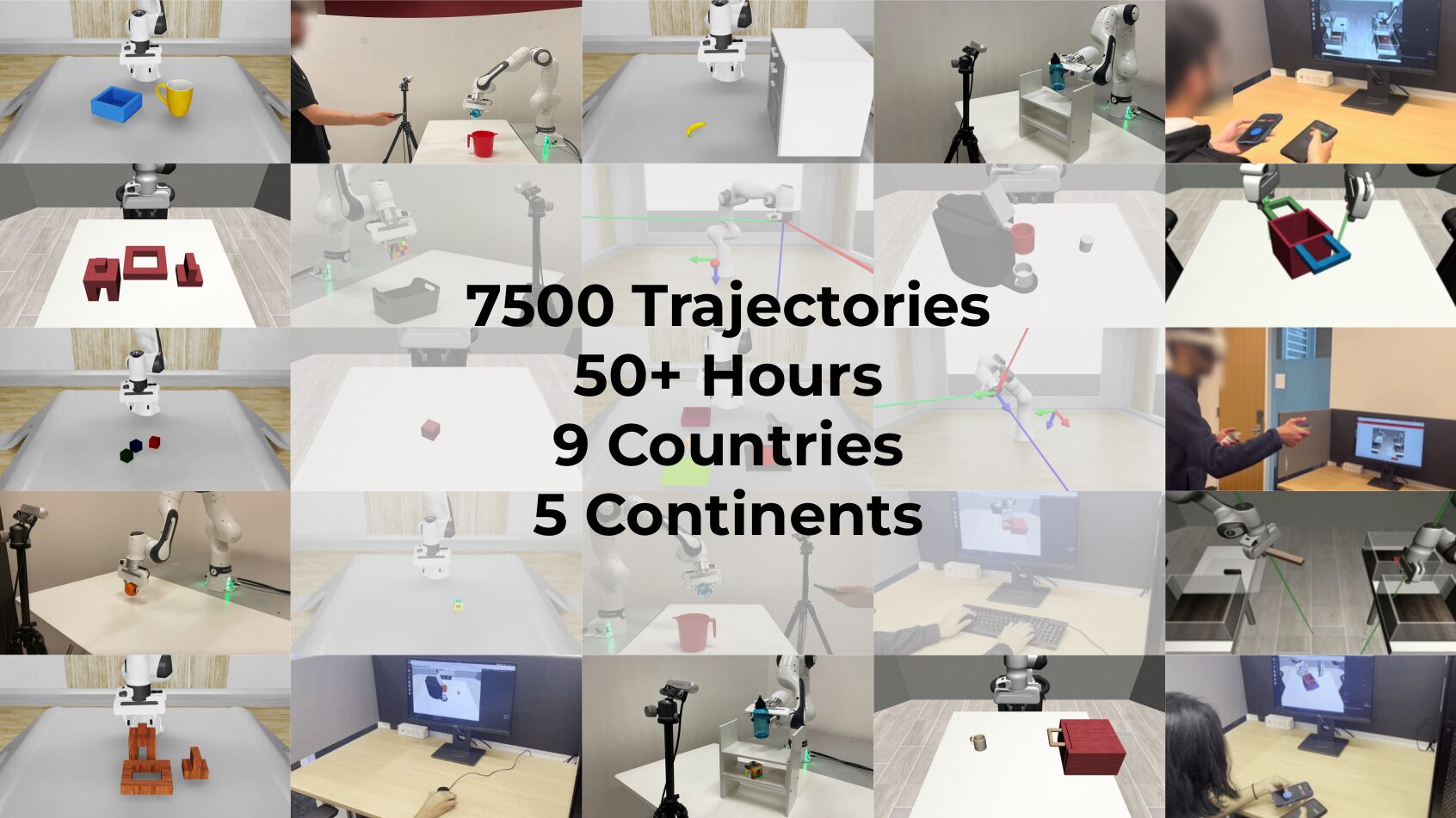
The newly developed COBALT robot control app allows anyone to remotely operate robotic arms from their phone without writing code. Meanwhile, researchers at the Georgia Institute of Technology built the platform to democratize access to robotics. By lowering the entry barrier, the team also aims to expand CS and robotics education. Users simply tilt and rotate their mobile devices to direct the robotic arm. Therefore, the machine mirrors these physical movements in real time.
The COBALT robot control app runs on standard smartphones because it relies on WebRTC technology. Therefore, the system achieves minimal video latency and responsive control feedback. This setup allows users to control the arm from virtually anywhere. Now, novices from India, Indonesia, and Pakistan successfully control robots in the Georgia Tech lab. Still, the participants must use simple on-screen buttons to perform basic tasks like grabbing, moving, and releasing items.

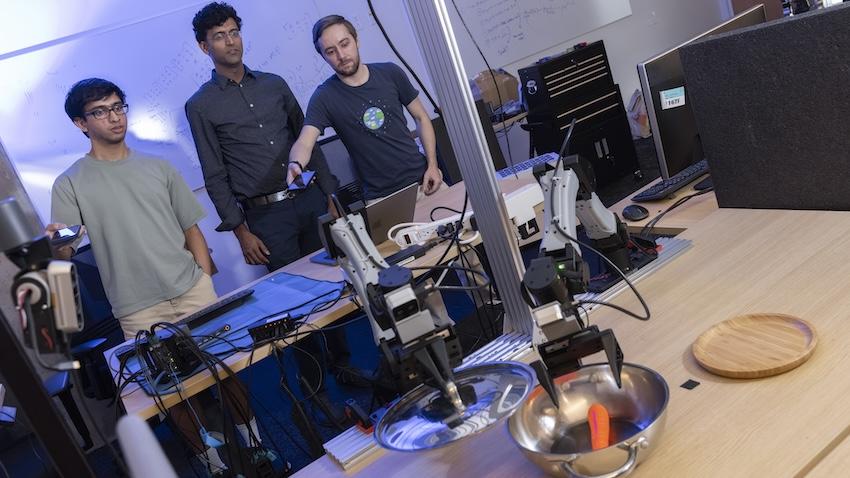
Ayush Agarwal, a Ph.D. student who leads the COBALT research team, designed the system for beginners instead of experts. Meanwhile, Assistant Professor Animesh Garg directs the PAIR Lab that developed this technology. They believe that crowdsourcing will solve one of the biggest challenges in modern robotics. Modern robotic systems require vast amounts of policy training data. However, simulation-only training falls short when preparing robots for real-world deployment.
To address this issue, researchers want to turn the five billion smartphone users worldwide into data sources. For readers, the team envisions a platform where users passively contribute operational demonstrations. This process could also accelerate robotic learning and automation. As a result, robots would learn to perform physical tasks much faster. Now, the PAIR Lab has already collected a pilot dataset of over 50 hours of robot demonstrations.

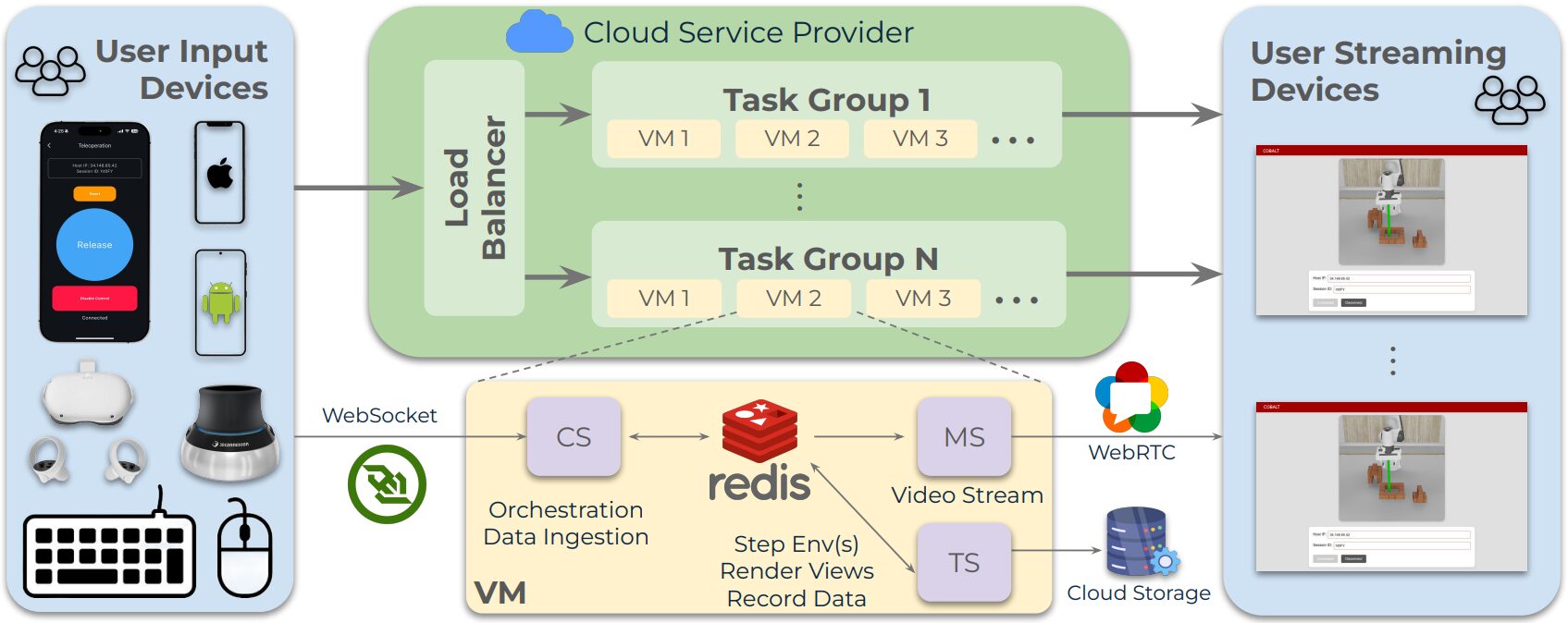
First, the technology could support a new robot-powered gig economy. Garg describes this future as an Uber-like platform for robots. While remote operators can log on to assist robots during difficult tasks, the AI handles standard operations. The human would temporarily take control via their phone and then return control to the AI. So, this approach ensures factory, warehouse, and home assistive robots maintain high productivity.
Next, this system has major educational implications. Researchers recently demonstrated the COBALT platform to Midtown High School students in Atlanta. The students quickly learned to control the robotic arms using their phones. So, this indicates that robotics education can succeed in classrooms without expensive local hardware. Similar to how OpenAI integrates email sending into ChatGPT to simplify user interfaces, COBALT also simplifies physical device control.


