SpaceX Starship V3 has completed its first test flight, and the result sits in that familiar Starship zone between success and spectacle.
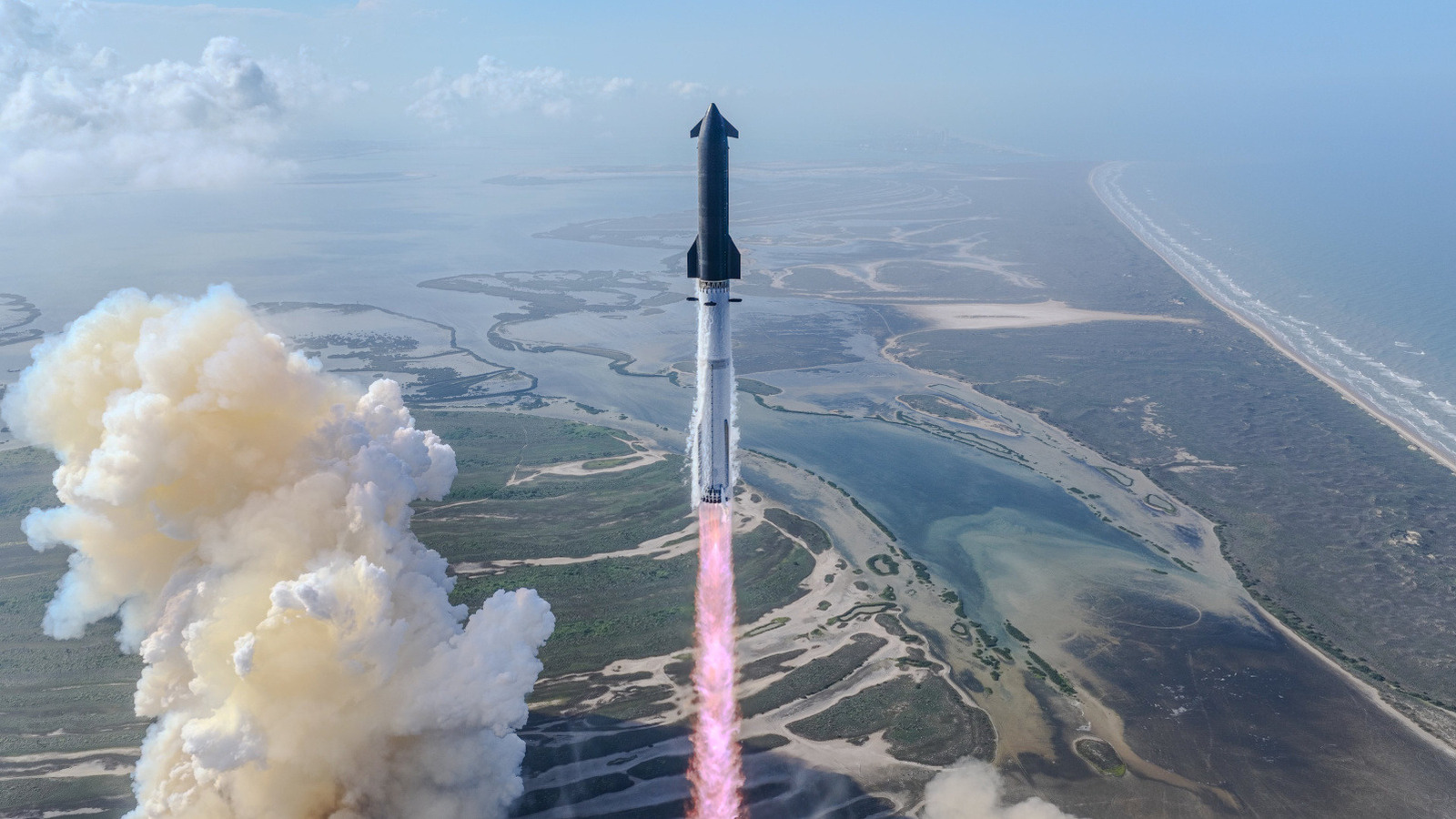
SpaceX showed liftoff from Starbase, Texas, after a delayed attempt the night before. The upgraded vehicle lit all 33 Raptor 3 engines at launch. Then the flight hit most of the major data goals, even though the booster and Ship both ended their day in the water.
During ascent, one Super Heavy engine shut down. Still, the vehicle continued through staging. The booster then tested a flip maneuver and attempted a boostback sequence, but it did not relight enough engines for the full burn. SpaceX did not plan to recover that booster, so the Gulf splashdown did not erase the test value.
Ship still got useful data
Meanwhile, the upper-stage Ship reached its planned path despite losing one of its six Raptor 3 engines. It carried Starlink simulators and modified Starlink satellites, and SpaceX later shared views of Ship from orbit-adjacent hardware.
The most important part came near re-entry. Ship gathered heat-shield data, stressed its rear flap, and tried maneuvers that mimic future return-to-launch-site profiles. Finally, it performed a landing flip and burn before splashing down in the Indian Ocean.
That splashdown still matters less than the data. Starship testing has never followed a clean aircraft-style certification path. Instead, SpaceX keeps pushing hardware until it breaks, then turns the telemetry into changes for the next vehicle.
The next question is pace. If V3 gives the team more reliable engines, cleaner staging, and better flap data, SpaceX can start narrowing the gap between dramatic test flights and repeatable operations.
That makes this a cleaner follow-up to our earlier Starship V3 launch preview. SpaceX still has recovery problems to solve. However, this flight gave engineers the kind of messy, expensive data that pushes the program forward.