The AUTUS valve has won FDA approval for children with congenital pulmonary valve disease. The October 1, 2026 decision covers a surgical implant that doctors can expand later as a child grows. That could reduce repeat open-heart operations, although the FDA says experience with expansion remains limited.
The distinction matters: AUTUS does not grow automatically. Surgeons implant it first; specialists later widen it with a balloon catheter if the child needs a larger valve. Edwards Lifesciences received the approval for the device, which Autus Valve Technologies developed.
How a valve can accommodate growth
The pulmonary valve controls blood flow between the heart and lungs. However, congenital narrowing or abnormal development can disrupt that flow. The FDA explains that some children also develop substantial backward leakage after treatment, creating a need for valve replacement.
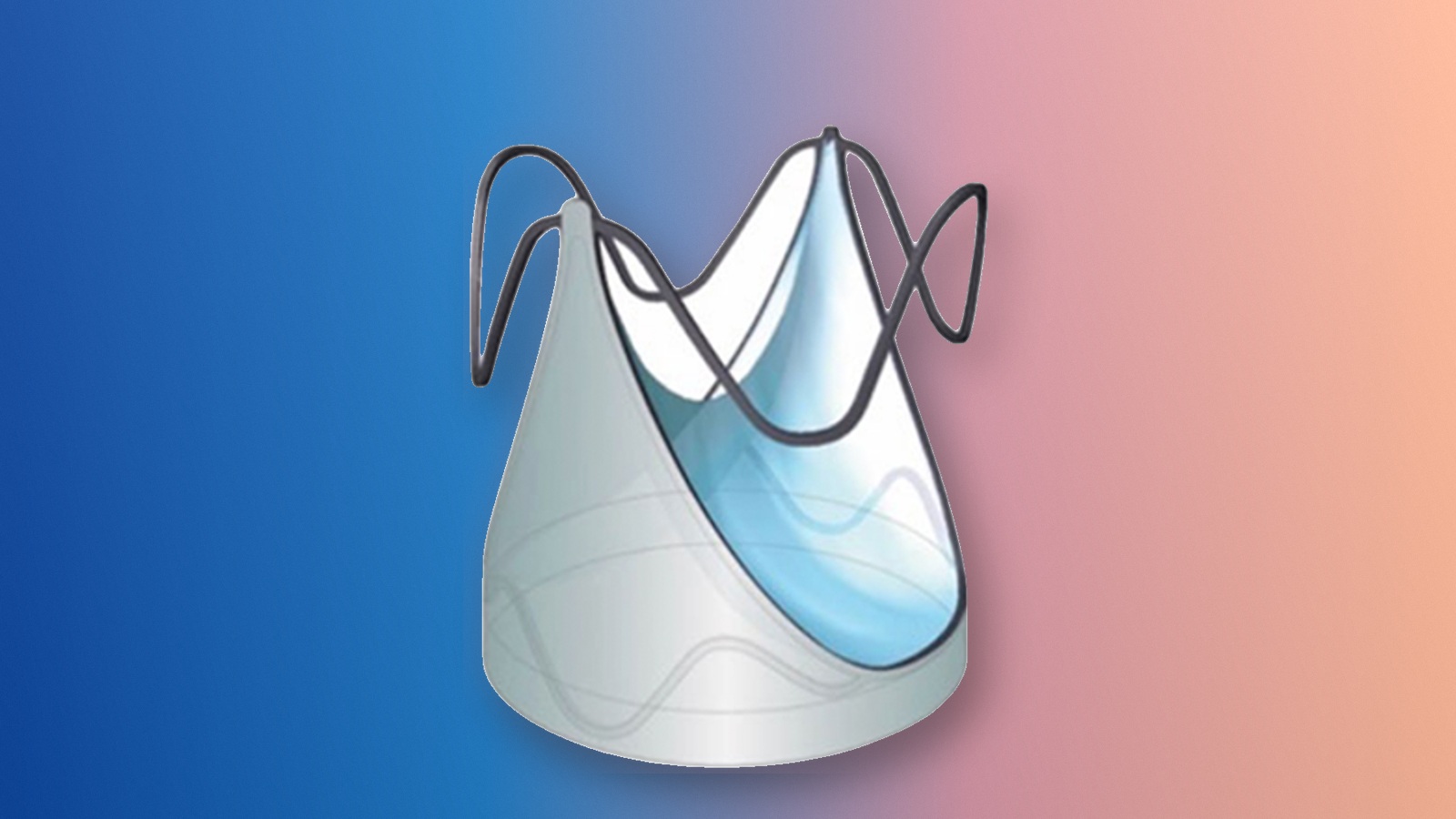
A fixed-size replacement presents another problem as the child gets bigger. In contrast, the AUTUS valve can start at approximately 13 millimeters in diameter and expand to 22 millimeters. The FDA describes that upper size as comparable to an adult pulmonary valve.
In its approval announcement, Edwards describes the later expansion as a minimally invasive transcatheter procedure. In other words, a catheter intervention can adjust the existing implant rather than requiring another open-heart replacement for that size change. However, the first implantation still requires surgery.

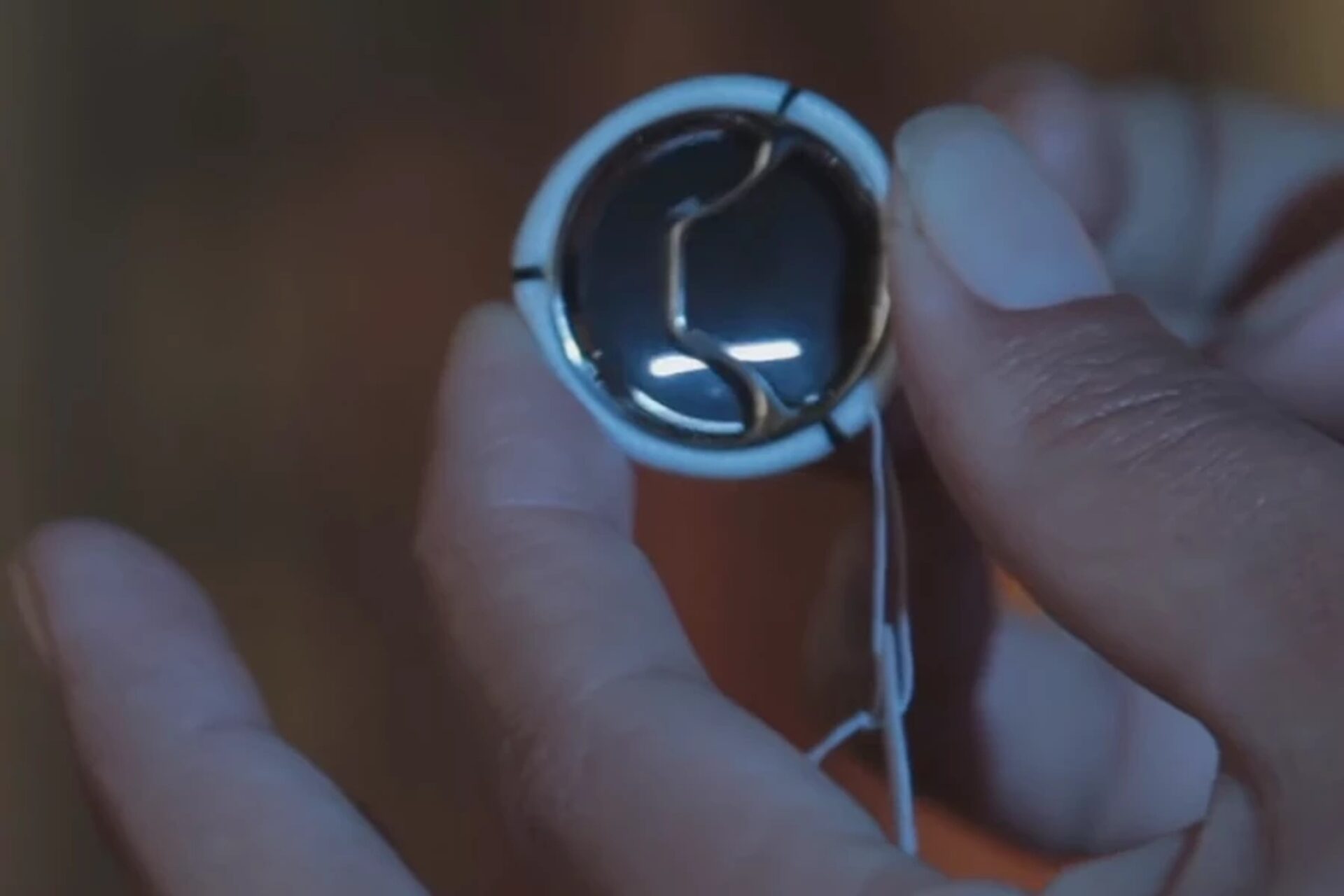
The valve also replaces animal-derived tissue leaflets with polymeric flaps that open and close to control blood flow. According to the FDA, this is the first U.S. approval of polymeric valve leaflets for any indication. Traditional animal-tissue valves can harden and deteriorate faster in children, while AUTUS has encouraging one-year follow-up data.
An earlier NewYork-Presbyterian explainer shows the device and describes its geometry. Pediatric interventional cardiologist Dr. Oliver Barry explains that balloon expansion widens the metal frame while the leaflets become shorter but continue meeting. The video predates approval, so its investigational-device notice describes the status at filming.

What the trial showed, and what it did not
The FDA based its decision on a study involving 62 pediatric patients at 12 U.S. sites. At six months, the first 60 patients had acceptable blood-flow performance and no more than mild backward leakage. The agency also reported successful procedures for all participants, with no deaths, strokes, or blood clots requiring additional treatment.
However, the study did not show an absence of device problems. Three patients had valve-frame fractures, and two had reduced movement in one leaflet. None of those events caused symptoms, according to the FDA. Separately, performance deteriorated in two children who began to outgrow their valves.
Both children underwent successful valve expansion without another invasive surgical procedure. Still, two expansions are a small evidence base for a device intended to accommodate years of growth. The FDA says longer-term studies will assess those risks and whether expansion can preserve function while reducing operations.
The pivotal trial registry describes a single-arm study of patients aged 18 months to 16 years. That means it followed one treatment group rather than randomly comparing AUTUS with another valve. Also, the protocol schedules annual assessments through 10 years; the age range describes trial enrollment, not a substitute for the approved labeling.
Approval is a milestone, not a lifetime guarantee
AUTUS went through premarket approval, the FDA’s most stringent medical-device marketing pathway. The agency also previously granted Breakthrough Device designation. However, expedited development and approval do not establish how every valve will perform across childhood.
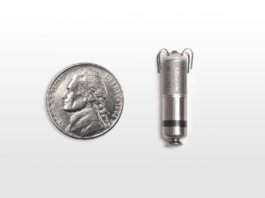
Tech My Money has covered other cardiac-device milestones, including the Micra miniature pacemaker. Meanwhile, our coverage of Midjourney Medical’s scanner examined the gap between an impressive technology demonstration and clinical proof. AUTUS now has FDA approval, but its longer-term expansion and durability questions still need follow-up.
For now, the practical advance is a new surgical pulmonary-valve option designed around children’s changing anatomy. The FDA says it may reduce repeat open-heart surgery. Whether it delivers that benefit consistently over many years remains the next test.