
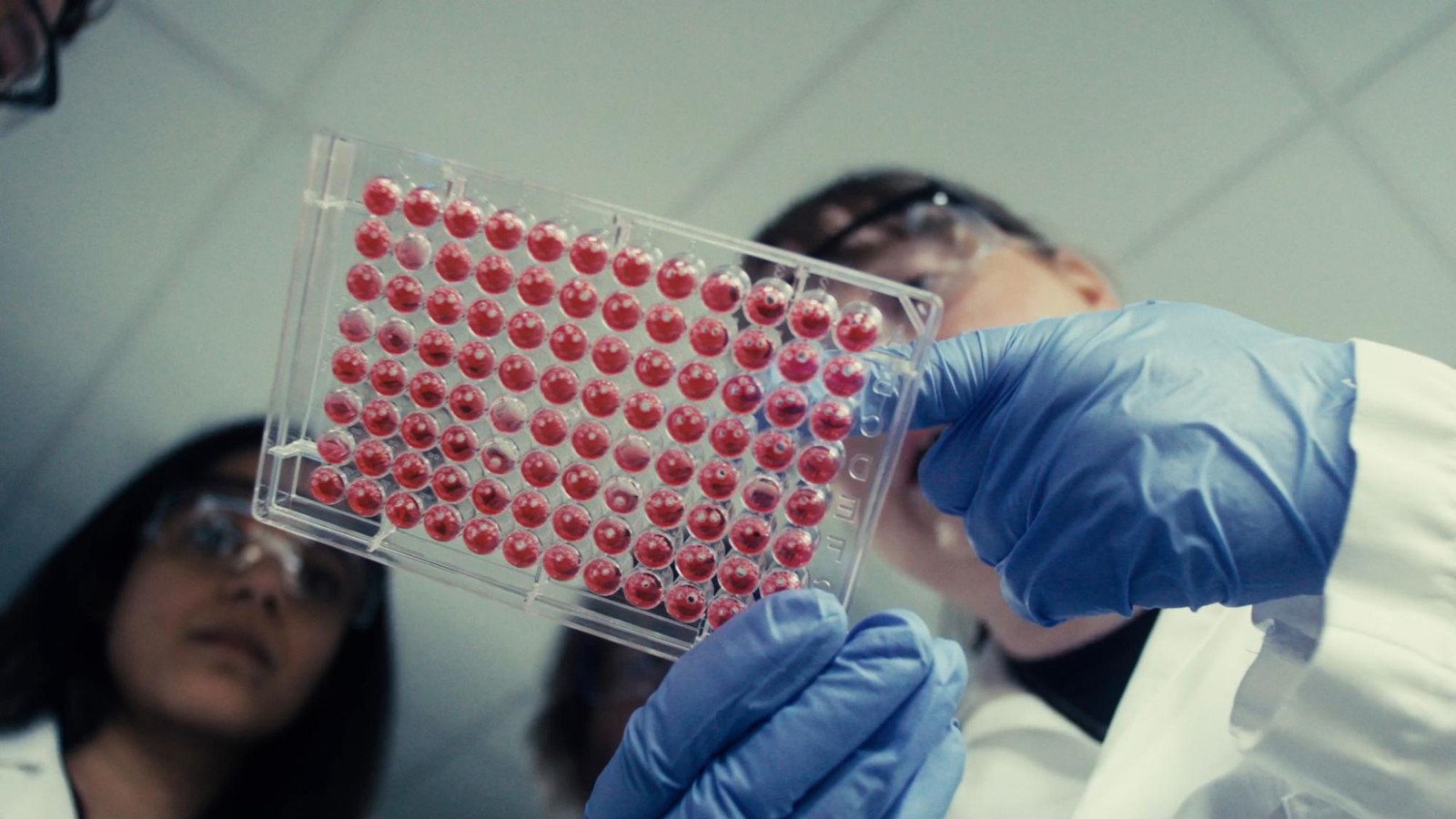
An Anthropic wet lab now exists in the San Francisco Bay Area. Instead of relying only on computer simulations, staff there run physical biology experiments. Reuters reported the lab on September 18, citing two people familiar with the matter. Eric Kauderer-Abrams, Anthropic’s head of life sciences, then confirmed it in an interview with the outlet.
“We believe that to do biology, the final test is still and will be for a while in real lab work,” he told Reuters. “We absolutely are doing that today.” He described the setup as typical of a biotech company. In other words, some work happens in Anthropic’s own facilities, and some goes to outside partners.
What the Anthropic wet lab is for
The short answer is that Anthropic will not say. A spokesperson told Reuters the lab is not specifically for drug discovery, then declined to elaborate. Still, the company’s ambitions are on the record. In June, Kauderer-Abrams said Anthropic would do preclinical work. Specifically, the target is diseases the pharmaceutical industry finds unattractive, he said at a San Francisco event. The same day, it launched Claude Science, an AI workbench for researchers.
Since then, the company has kept building. It added Novartis CEO Vas Narasimhan to its board. In addition, it bought the startup Coefficient Bio. Media reports valued that deal at about $400 million in stock, according to Reuters. Recent job listings sought a procurement leader and an expert in protein and nucleic acid characterization. One posting read: “Our goal is to speed up progress in the life sciences by an order of magnitude.”
Claude directing lab robots
According to one of Reuters’ sources, Anthropic wants Claude to direct robotic units that carry out experiments with limited human intervention. The spokesperson stressed that human oversight remains essential for safety. Kauderer-Abrams put it more modestly. “We’re in the very early innings of using AI to automate the execution of lab work,” he said.

The groundwork is already public, though. In August, Anthropic previewed the Model Hardware Standard. The spec lets AI agents operate microscopes, liquid handlers and robotic arms. Its launch post shows Claude Code coordinating a liquid handler and a robot arm through a plate handoff. Moreover, Reuters says Anthropic already supplies such tools to Genentech, Bristol Myers Squibb and Novo Nordisk.
Where Anthropic draws the line
Kauderer-Abrams believes AI could fast-track treatments for conditions once thought “undruggable.” One example is complex bispecific and trispecific antibodies. However, Anthropic has not run a clinical trial, and it says it will not for now. “We’re not competing with pharma and biotech companies that make their business in bringing drugs to market,” he said. Even so, Reuters notes that customers may worry Anthropic could learn from their own drug programs.
The timing is awkward. In the past two weeks, Anthropic said it caught researchers misusing Claude for work relevant to biological weapons. CEO Dario Amodei also called for a slower pace in frontier AI development. Meanwhile, the company is preparing a potentially $2 trillion IPO, months after it filed confidential paperwork with the SEC. For Amodei, the biology push is also personal. In that same essay, he wrote that his father died of a disease cured just a few years later.
A day before the Reuters story, Anthropic opened applications for its Life Sciences Verification Program. It gives vetted researchers access to its Mythos, Opus and Sonnet models with looser biology safeguards. AI-designed biology is already reaching real tests, as with the AI-designed bacteriophages that killed E. coli in an early trial. Whatever the new lab is for, Anthropic clearly wants to be in the room, not just in the cloud.