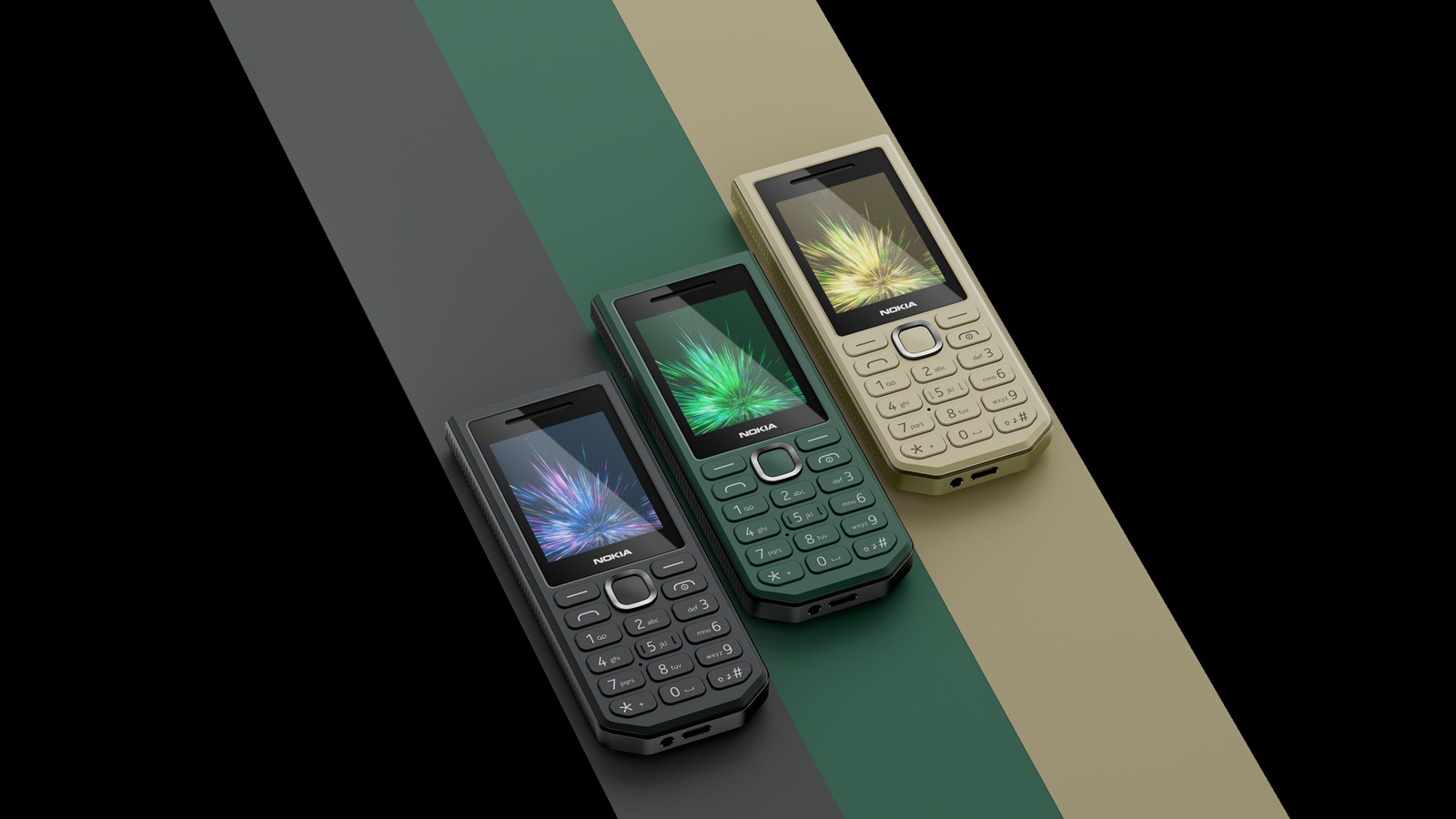
Nokia has a new trick for its feature-phone line. The Nokia 300 Charge looks like an old-school candy bar phone with a keypad and a small screen. In reality, it carries the biggest battery HMD has ever put in a Nokia feature phone. It can even charge your other devices while you use it.
The biggest battery Nokia has put in a feature phone
HMD says the 300 Charge holds a 3,700mAh cell. That is the largest one the company has squeezed into a Nokia feature phone so far. On paper, it delivers up to 37 hours of talk time and more than 40 days of standby with dual SIM enabled. Those are HMD estimates and will vary with network conditions. In practice, you can leave it in a drawer for weeks. It should still answer when someone calls.

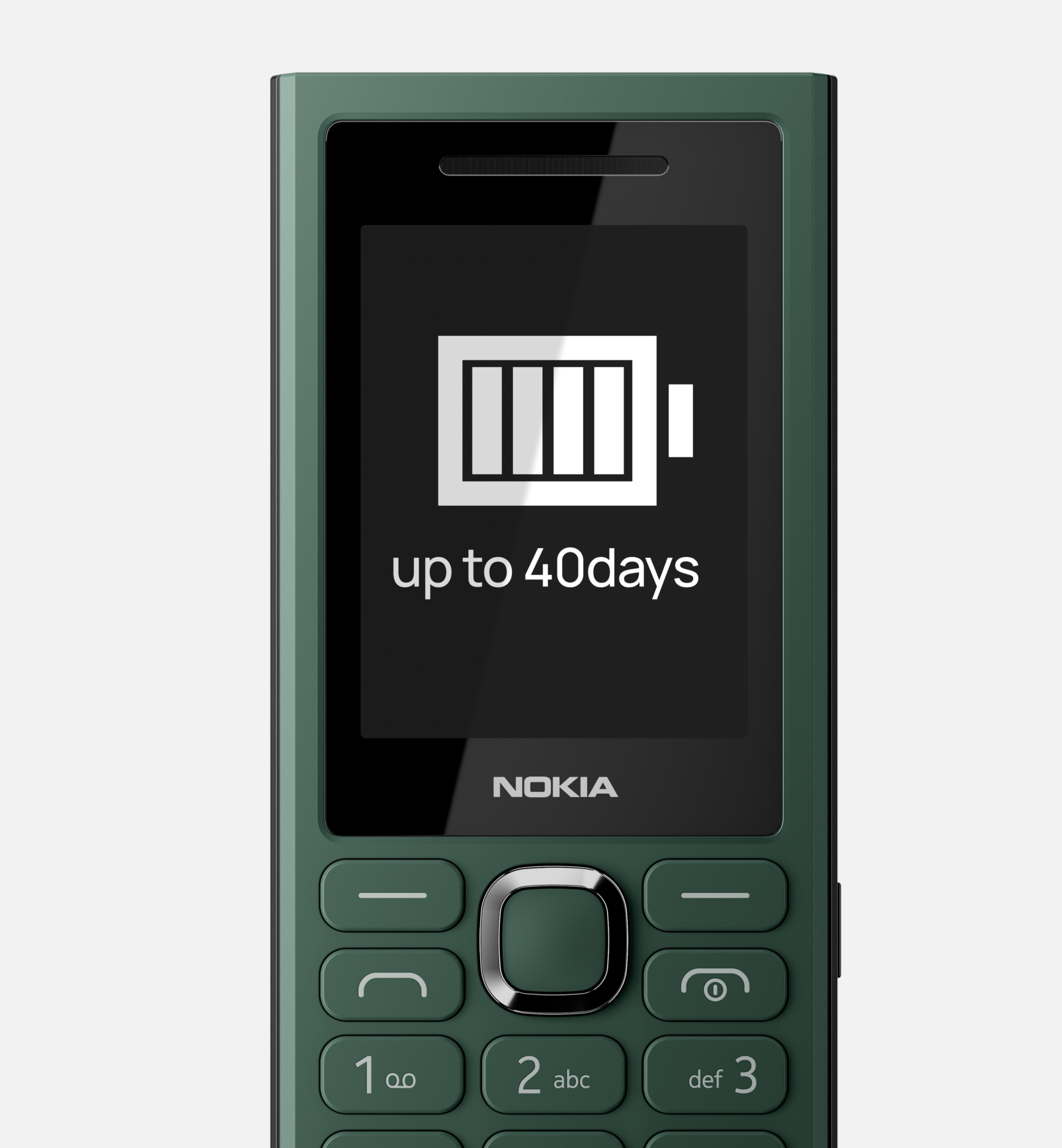
For most readers, that is not the reason to buy one. The battery matters because it powers the phone’s real gimmick: sharing its charge with other gear. That is where the “Charge” in the name comes from.
Powerbank mode charges your other phone through one cable
The 300 Charge ships with a special 4-in-1 data cable that includes adapters for Micro USB, USB-C, and USB-A. Flip on powerbank mode and the phone pushes up to 10W of reverse wired charging into whatever you connect. That can be another feature phone, a smartphone, or an accessory.

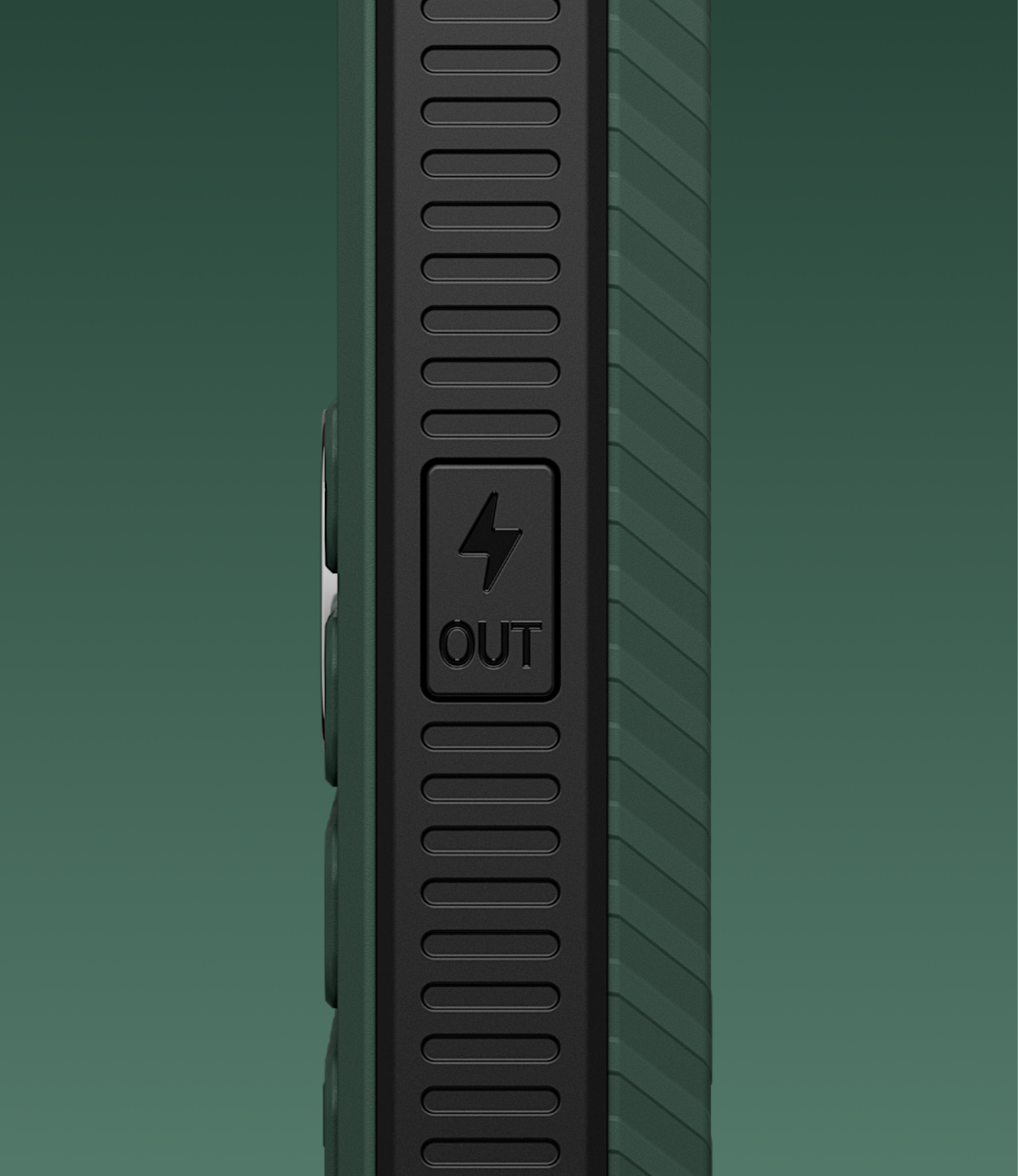
Be clear about what this is not. Ten watts from a 3,700mAh cell will top up a dead phone in a pinch. It will not replace a dedicated power bank for a full day of travel. If you already carry one, weigh options like the Scosche GO BAT MS 5K before deciding this is enough.
A brighter torch and a grip that earns the word rugged
HMD also touts a high-power LED torch. It says the light runs up to 4x brighter than the one in the Nokia 105. The body pairs what the company calls a rugged, sleek design with a textured grip around the back and sides. As a result, it should stay put in wet or cold hands.
It is still a basic phone first
Under the hood, this is a simple device. HMD’s specifications list a 2.4-inch QVGA display, a QVGA rear camera, and a Unisoc SC6531E chipset. Those specs point to calls, texts, and flashlight duty rather than apps or social media. If you are shopping for a second phone on purpose, see how the Commodore Callback 8020 plays that retro flip role before you commit to a keypad.
Moreover, HMD lists 4MB of RAM, 4MB of internal storage, and microSD support up to 32GB. The phone runs S30+ rather than Android. Consequently, buyers should see it as a communications device with a few useful utilities, not a tiny smartphone waiting for apps.
HMD also lists USB-C, a 3.5mm headphone jack, and dual Mini SIM support. Meanwhile, the listed GSM bands are 900 and 1800, so carrier compatibility is a question to check locally before buying. The removable 3,700mAh battery is another practical advantage for a basic device intended to stay useful for years.
Additionally, HMD lists the phone at 138g, with a 136.55mm-tall body that is 14.94mm deep. That is thicker than a modern smartphone, yet the extra room is what makes the removable battery and power-sharing pitch possible. In the box, HMD lists a charger, a removable battery, and a quick-start guide; the separate product overview also identifies the special 4-in-1 data cable used for powerbank mode.
Regional availability and pricing are still unclear. HMD’s international product listing does not show a US price in the source material reviewed for this draft. For now, the 300 Charge reads as a backup phone with a useful battery – not a replacement for your daily driver.