
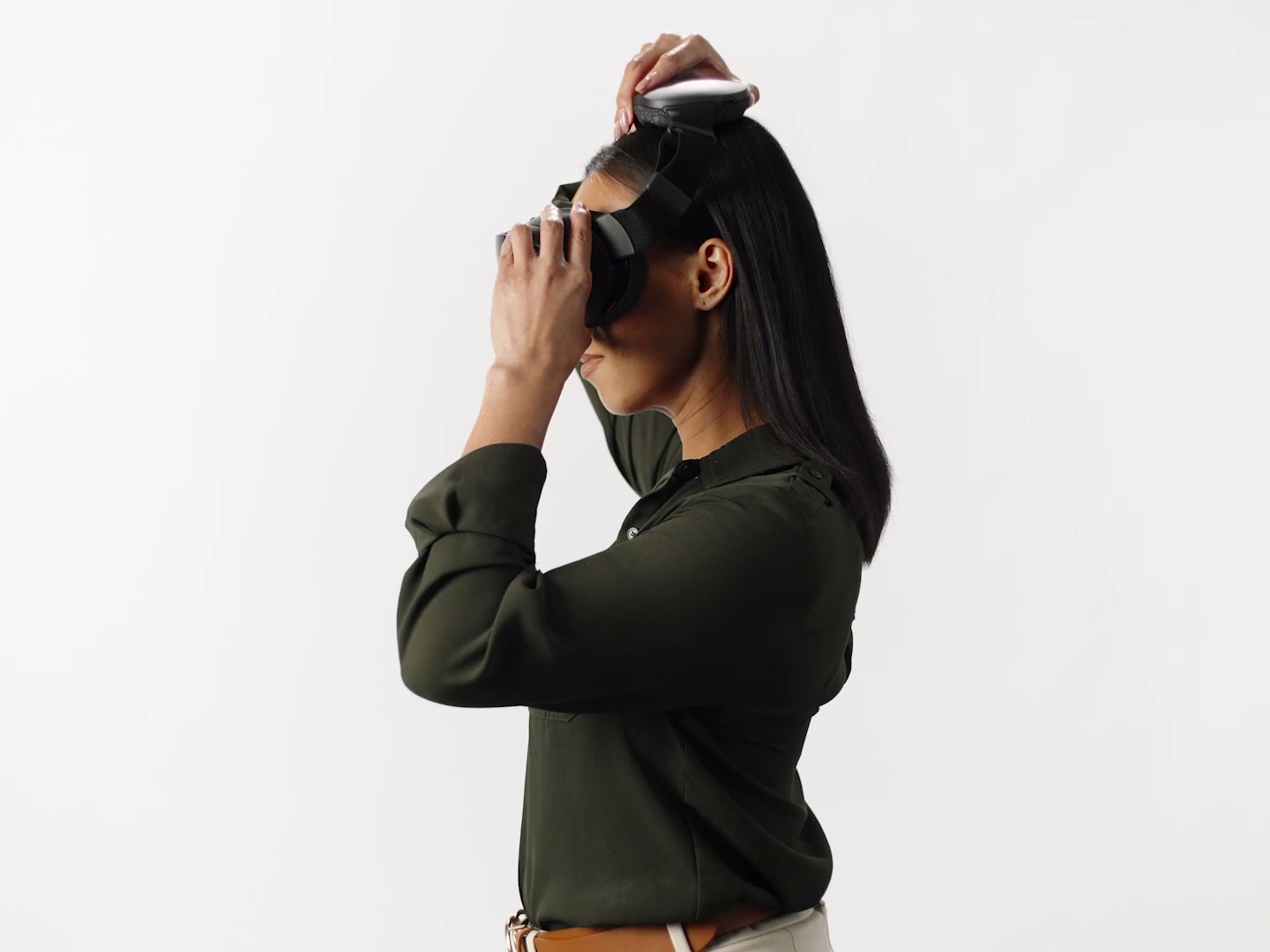
Steam Frame specs now tell a much bigger story than Valve’s setup videos alone. Valve’s own Steam Frame hardware page lays out the headset’s physical design, controller system and developer-kit program. The upcoming wireless headset is meant for streamed PC play and stand-alone SteamOS play. It is not simply a QR-code onboarding device.

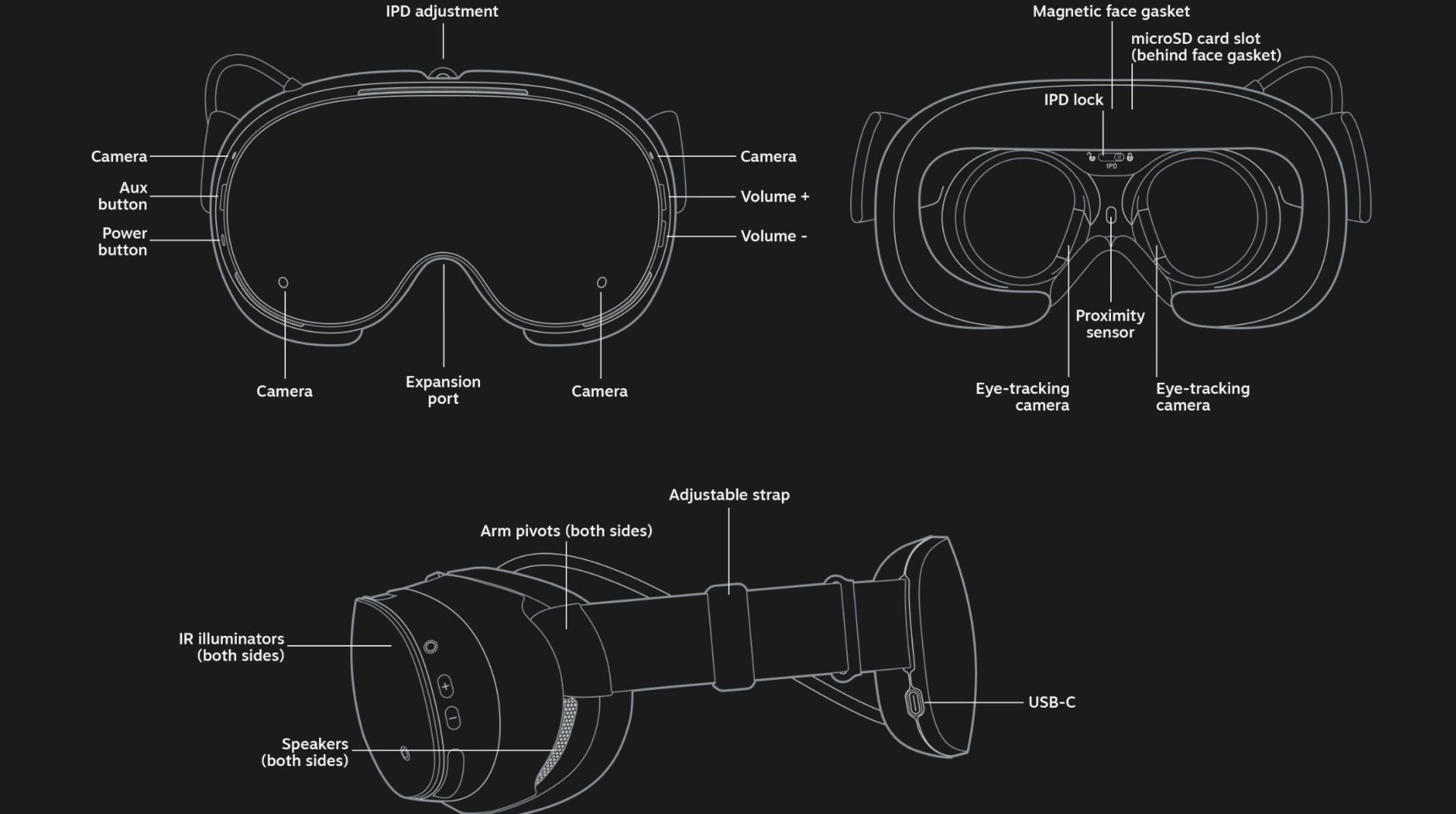
What Valve’s hardware diagram actually tells us
The diagram fills in details that the onboarding clips leave in the background. Steam Frame has an IPD adjustment and lock. It has eye-tracking cameras and a proximity sensor inside. Valve also identifies multiple exterior cameras and IR illuminators.
The drawing labels an expansion port, USB-C and a microSD slot behind the magnetic face gasket. It marks speakers on both sides. It also shows an adjustable strap with pivoting arms. In other words, Valve is presenting a headset that buyers can fit and adjust as real hardware, not just pair to an account.
Core specs: a stand-alone SteamOS computer
Valve says Steam Frame runs SteamOS on a Snapdragon 8 Series processor with 16GB of unified LPDDR5X memory. Its thin custom pancake optics use one 2160 by 2160 LCD panel for each eye. Valve lists refresh rates from 72Hz to 144Hz. These are pre-release specifications. Buyers should treat them as current targets, not as a final retail promise.
Moreover, the physical design matters as much as the headline panel resolution. The IPD control gives buyers a visible fit adjustment. The magnetic gasket and accessible microSD slot suggest that Valve has considered routine ownership details. However, the source does not state storage capacity, battery runtime or the final weight. Those gaps remain important for anyone comparing Steam Frame with an established headset.
| Valve-listed component | What the official page says |
|---|---|
| Platform | SteamOS on a Snapdragon 8 Series processor |
| Memory | 16GB unified LPDDR5X RAM |
| Display | 2160 × 2160 LCD per eye |
| Refresh rates | 72Hz to 144Hz |
| Physical access | USB-C, expansion port and a microSD slot behind the magnetic face gasket |
Why the stand-alone claim matters
Valve describes Steam Frame as a PC. That means the headset can run a growing number of VR and non-VR games without a PC stream. Streaming remains part of the plan, too. The distinction is important for buyers deciding whether they want a headset that depends on a gaming PC in every room.
It also puts Steam Frame in a different conversation from Valve’s other hardware. The company has already priced the compact PC in our Steam Machine price guide. Steam Frame does not have comparable pricing or availability yet. Likewise, cloud services such as GeForce NOW in Firefox on Windows show why a strong streaming path still matters even when a headset has stand-alone ambitions.
Controllers and the developer-kit program
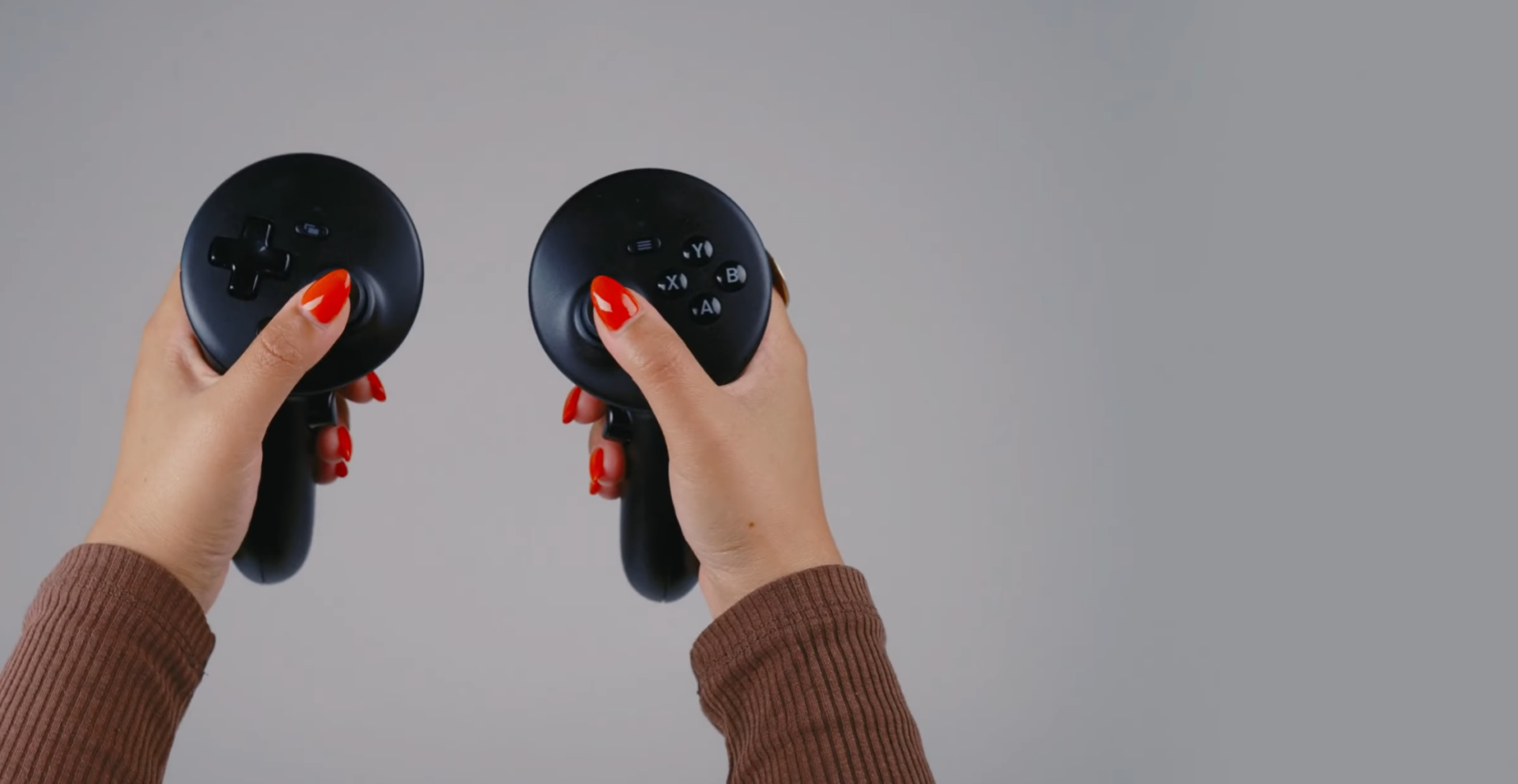
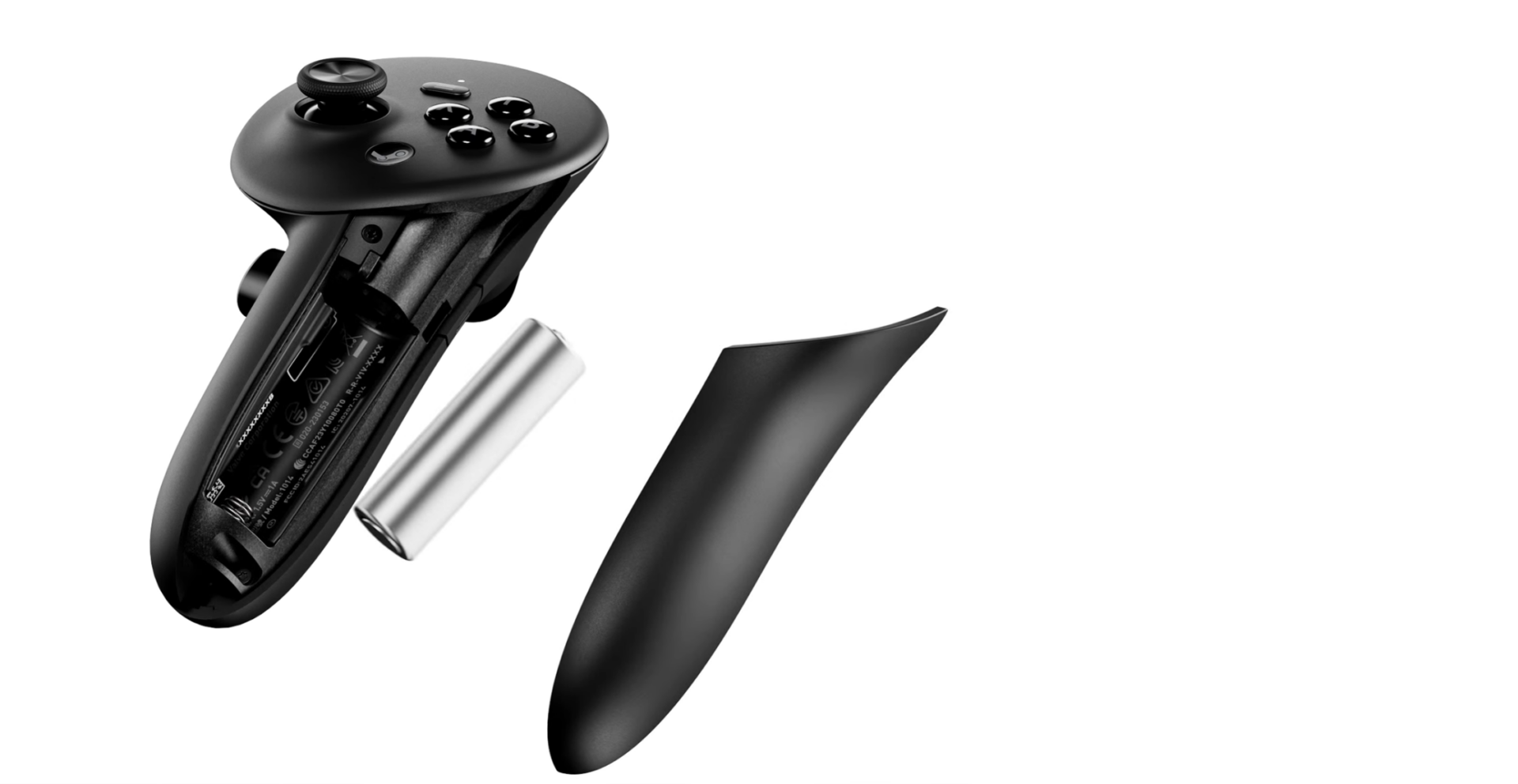
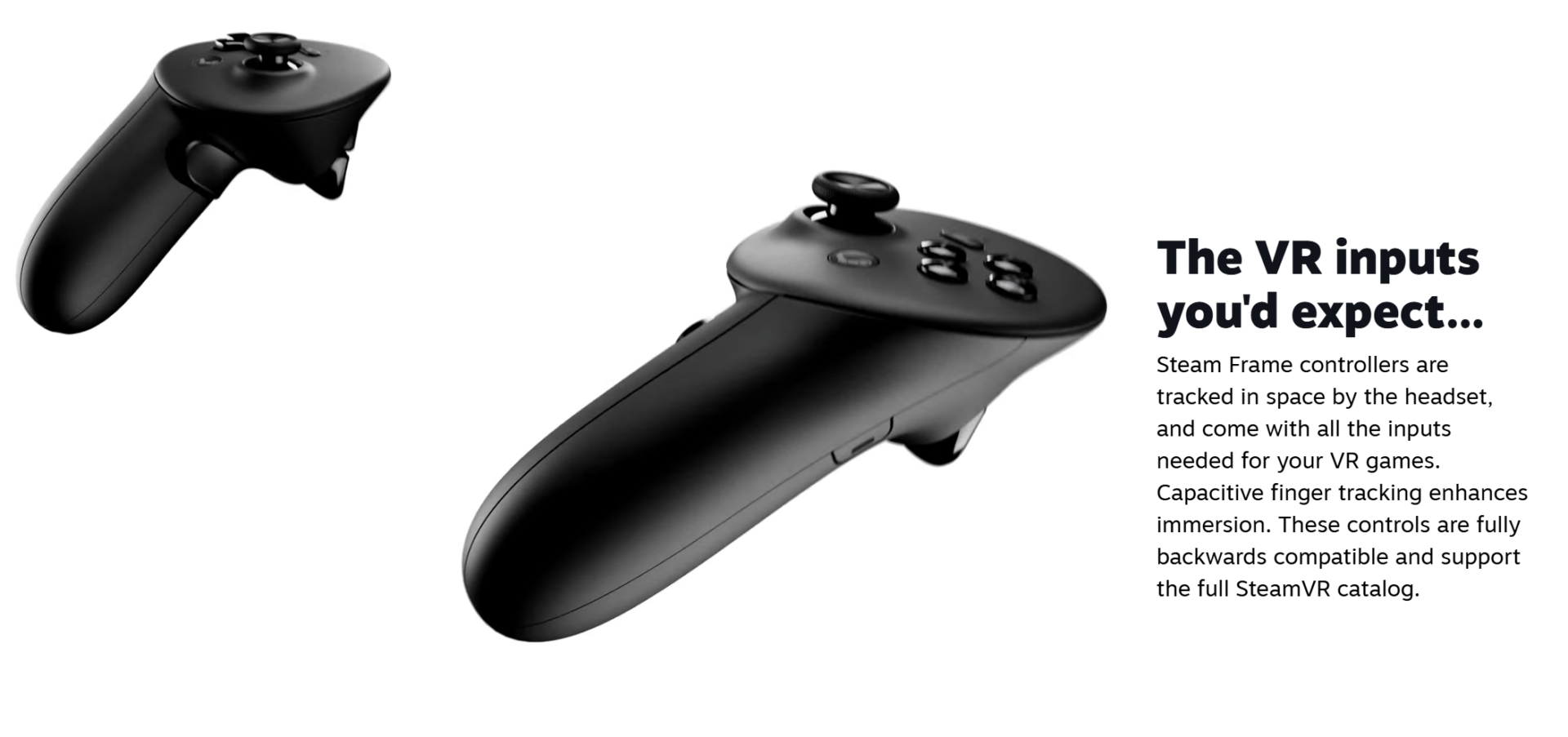
Valve says the controllers are tracked in space by the headset. They include capacitive finger tracking. Valve also says they support the full SteamVR catalog. The source images add practical details: removable hand straps and a battery compartment, not just glossy product renders.
For developers, Valve has opened a Steam Frame Developer Kit program through the Steam partner dashboard. Supplies are limited. Valve says it will send kits on an ongoing basis. The stated goal is feedback that helps improve Proton, SteamOS and compatibility across the Steam library.
That program does not turn Steam Frame into a finished retail product. Instead, it gives Valve a route to collect compatibility reports before broader availability. As a result, buyers should see the kit as a positive development signal. They should not treat it as proof of a final game-support list.
Additionally, the program gives developers a way to test both streamed and stand-alone use cases. Meanwhile, Proton remains a key part of Valve’s compatibility work. Therefore, game support should be judged title by title once hardware reaches reviewers. Otherwise, a feature list can create false certainty. For now, Valve’s stated direction is clear, but the final experience remains untested.
-
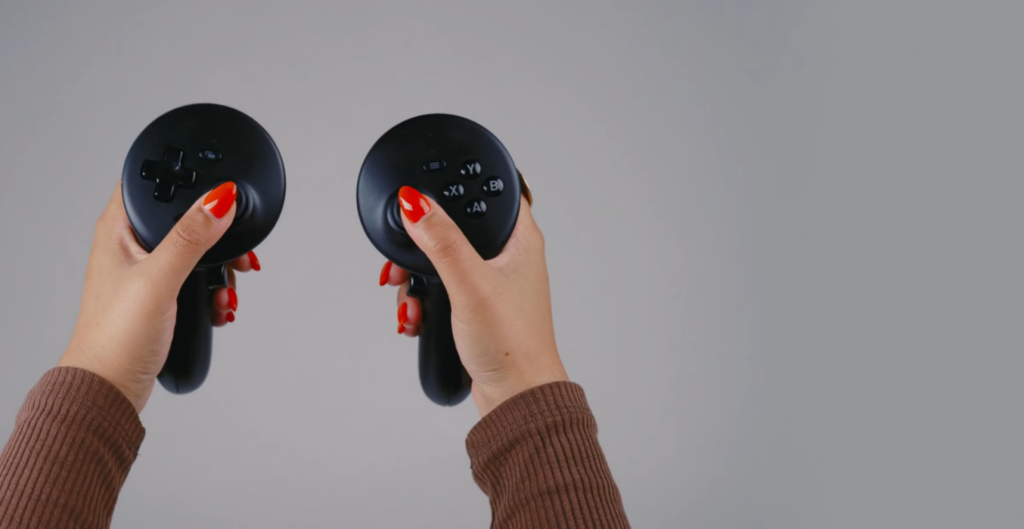
- Steam Frame controllers in use. Image: Valve
-

- Controller battery and hand-strap detail. Image: Valve
-

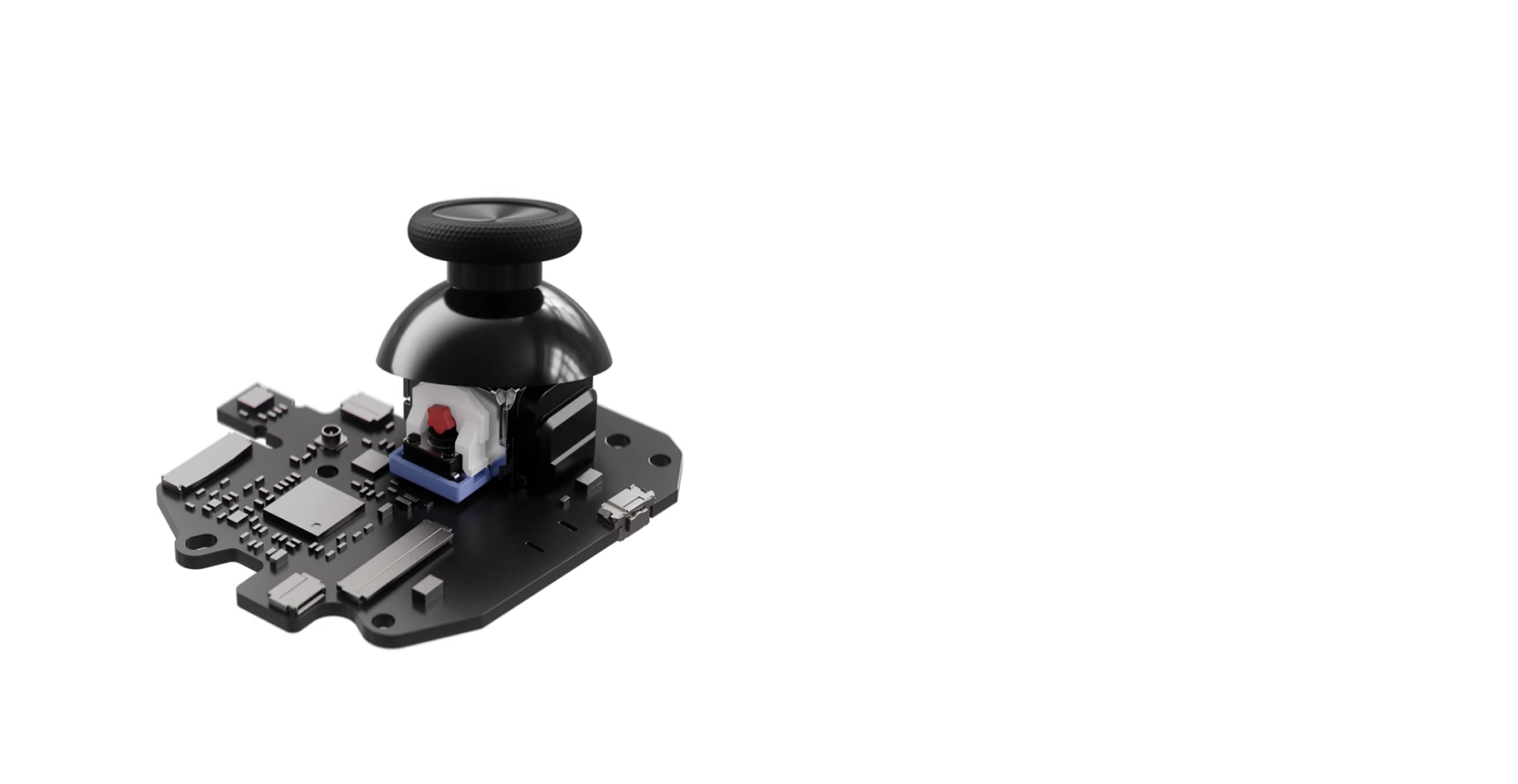
- Steam Frame developer-kit input hardware. Image: Valve
-

- Steam Frame controller inputs. Image: Valve
Official setup footage remains useful within limits
Valve also hosts guides for unboxing, fit and comfort, IPD adjustment, sign-in and the wireless adapter. More clips cover ergonomic accessories, controller hand straps and the head strap. The unboxing and sign-in clips below let readers inspect the source material without leaving the article. However, none of the files adds a price, reservation date or confirmed launch day.
The sign-in guide is especially concrete. It shows the Steam account screen and a QR-based Steam Guard flow. Meanwhile, the fit guide puts the headset on a person. The adapter guide shows PC-side hardware Valve is preparing. Together, the official material is a better indicator of the intended product experience than a single setup still.
Official Valve-hosted setup videos
Readers who want the complete source set can open Valve’s official guides directly: unboxing, fit and comfort, IPD adjustment, sign-in, wireless adapter, ergonomic accessories, controller hand strap and head strap.
What buyers should wait to learn
This is not a hands-on review. Valve has not announced a price, retail configuration, reservation plan or launch date. We cannot yet verify real-world battery life. We also cannot verify long-session comfort, display clarity, tracking reliability, wireless range or which accessories will ship in the box.
Those are the questions that should determine a purchase decision. A high-resolution panel does not tell us how the optics look in use. A controller diagram does not tell us how tracking behaves in a busy room. The developer-kit program is encouraging, but it is not a promise that every game will work perfectly on day one.
Until independent review units exist, the responsible buyer takeaway is straightforward. Valve has supplied meaningful design and platform information. It has not supplied the final ownership experience. Readers looking for a launch-day recommendation should wait for price, battery, comfort and compatibility testing.
Steam Frame remains an upcoming product, and Valve says some specifications may change before availability. Still, the official page now provides enough hardware detail to judge the direction: a SteamOS headset with stand-alone ambitions, a tracked controller system and a developer-feedback program intended to expand game compatibility.
Finally, buyers have a useful official baseline. However, they should keep their purchasing decision separate from Valve’s early claims. Consequently, independent testing will matter more than any pre-launch gallery.