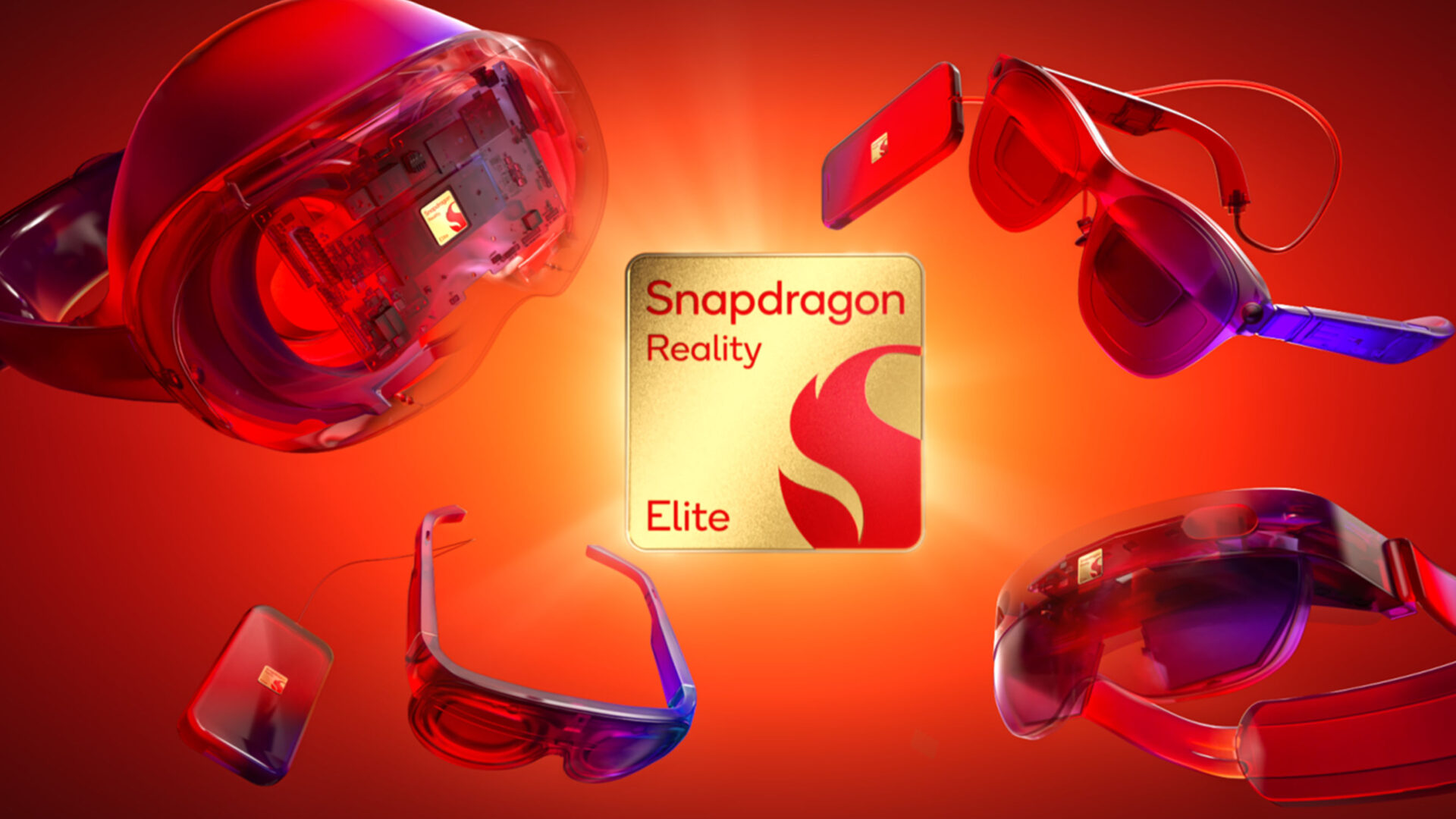
Qualcomm has officially launched the Snapdragon Reality Elite, a new flagship processor designed to power the next generation of augmented and mixed reality headsets. Notably, the new platform moves away from the company’s traditional XR branding to highlight a deeper focus on spatial computing. The chip targets premium see-through devices, introducing massive processing gains and built-in artificial intelligence features.
In terms of raw performance, the Snapdragon Reality Elite brings a 60% boost to GPU speeds and a 30% increase in CPU performance. Additionally, the redesigned Hexagon NPU delivers up to 160% faster AI processing, reaching 48 TOPS of total performance. This allows devices to run large language models and photorealistic avatars locally on the hardware.
Still, the most important improvements for lightweight wearables focus on thermal efficiency and battery life. The processor runs up to 12 degrees Celsius cooler than the previous Snapdragon XR2+ Gen 2 chipset. As a result, headset manufacturers can design much smaller hardware without worrying about overheating or battery drain.
Meanwhile, Qualcomm also introduced the START platform to help eyewear brands quickly develop AI-ready smartglasses. The starter kit includes a dedicated module using the AR1+ chip, companion software, and reference frame designs. Furthermore, Qualcomm is partnering with British eyewear company Inspecs to bring AI capabilities to mainstream consumer brands.

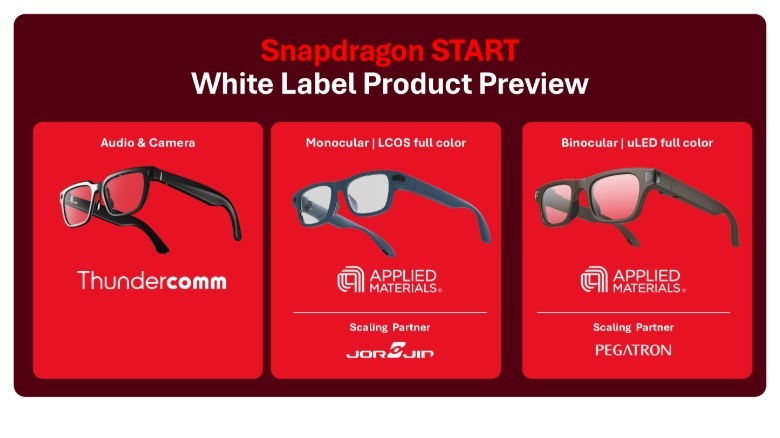
Key Upgrades in the Snapdragon Reality Elite
The first consumer device to run the new processor is the Xreal Aura glasses, debuting later this fall. By comparison, Xreal’s earlier budget release, the Xreal a01 glasses, targeted simpler mobile screen mirroring. The Aura glasses run Google’s Android XR operating system and utilize a tethered compute puck to hold the new chip.
For input and display, the glasses support 4.4K resolution per eye and run at 90 frames per second. Also, the device integrates directly with Gemini AI to help users interact with their physical environment in real time. Interested buyers can reserve the headset on the official Xreal Aura product page.
Qualcomm’s focus on high-performance silicon mirrors its recent expansion into AI-powered laptops like the Samsung Galaxy Book6 Edge. In total, the Snapdragon Reality Elite represents a major push to make spatial computing devices more accessible and capable. You can read more details on the official Qualcomm newsroom page.