

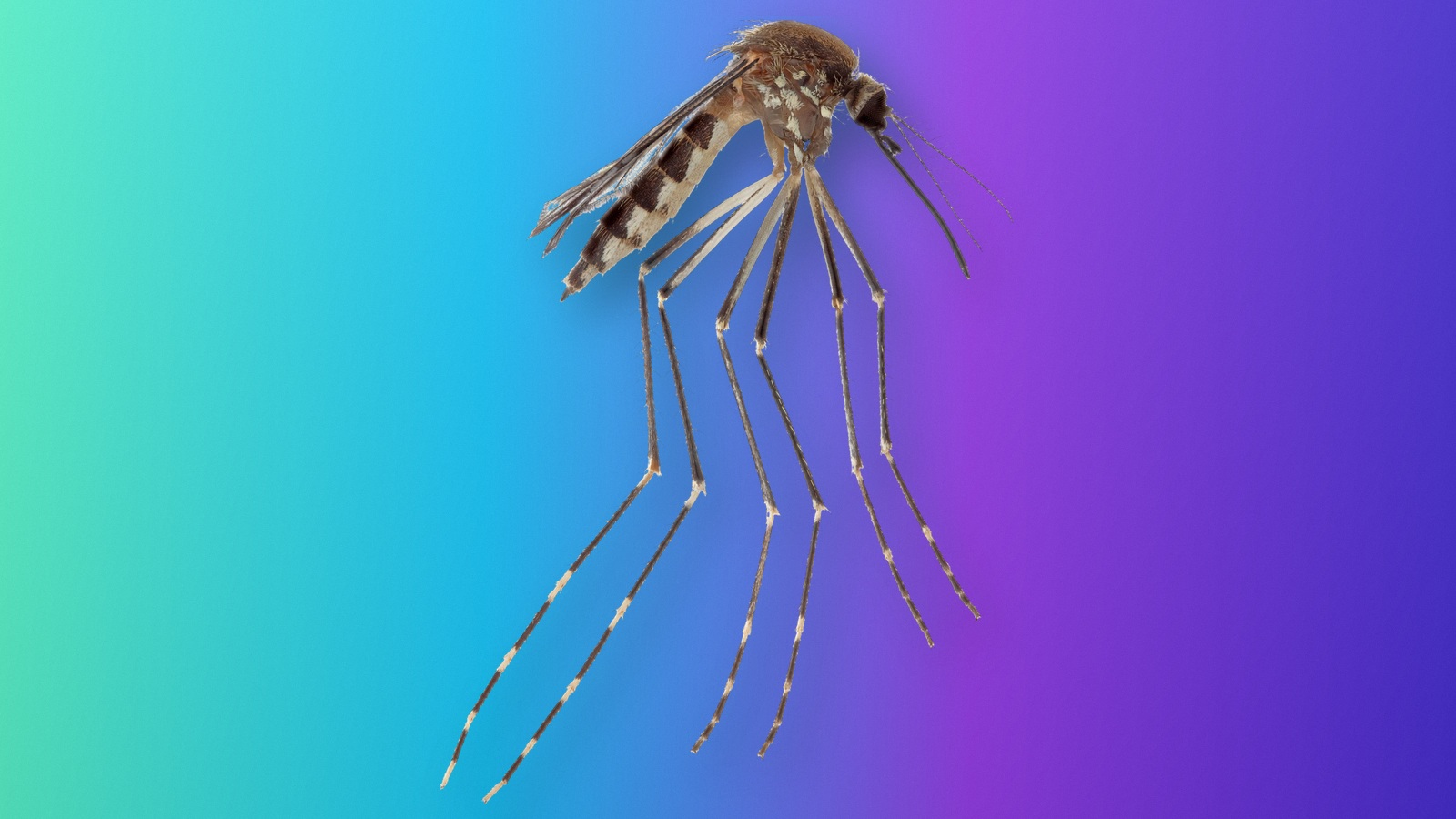
Aedes amateuri, a mosquito scientists had only ever recorded in Mexico, is living in Arizona. University of Florida researchers confirmed the species in the state’s Madrean Sky Islands, a chain of isolated mountain ranges ringed by desert. It is the first US record of the species and the northernmost one anywhere.
Lawrence Reeves, an entomologist at the UF/IFAS Florida Medical Entomology Laboratory, led the work with Kelsey Renfro of Vector Disease Control International. Their study appeared in the Journal of Medical Entomology on September 4.
Where Aedes amateuri turned up
The team collected the mosquitoes in 2022. Specifically, they found one specimen in the Santa Rita Mountains and 19 in the Dragoon Mountains. The researchers confirmed the identification two ways, comparing physical features and reading a DNA barcode. That genetic comparison also hints the species lives at another site in Mexico, possibly as far south as Honduras.

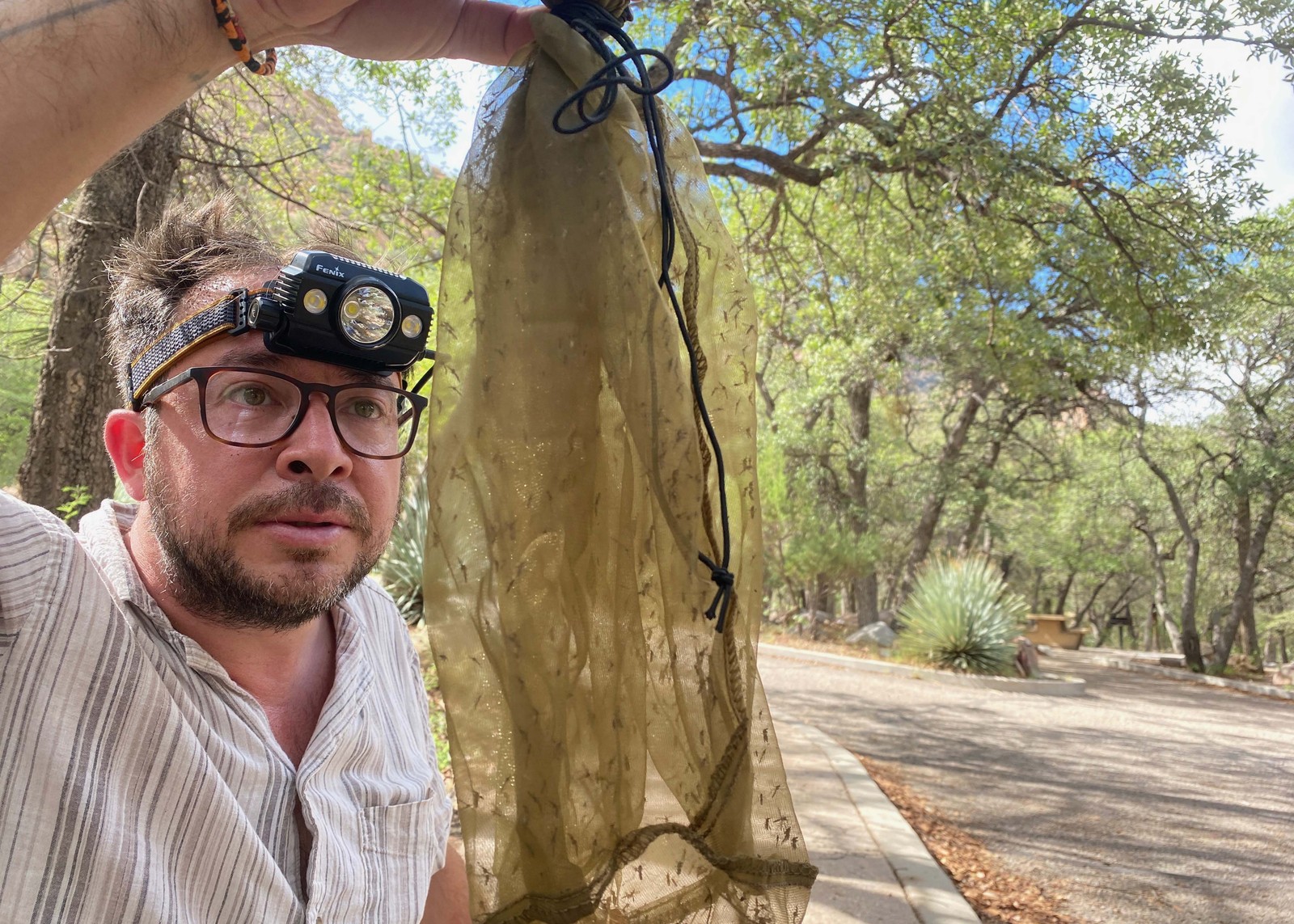
Reeves went back this July and August. This time, he also found the species in the Peloncillo Mountains, within a mile of the New Mexico border. As a result, he suspects it has already crossed into New Mexico. Nobody yet knows whether the Arizona mosquitoes are a long-established population or a recent arrival from the south.
Why it went unnoticed
For one thing, the mosquito’s life cycle makes it easy to miss. In Mexico, its larvae develop in temporary pools. In Arizona, those pools form only after enough monsoon rain lands in the right place. Consequently, adults may appear for short windows and then vanish. Predicting those windows depends on local rainfall, the kind of short-range signal newer tools such as WeatherNext 3 aim to forecast.
Should Arizonans worry?
Not yet. Aedes amateuri does bite people, along with deer and other large mammals. However, UF/IFAS says there is currently no evidence it matters for public health. In fact, scientists know very little about it, including whether it can carry disease. That uncertainty is why researchers want continued surveillance, especially given how other Aedes species spread Zika and dengue, a threat that drove projects like Harvard’s paper-based Zika test.
For Reeves, the bigger lesson is how much remains unmapped. “It highlights how much we still have to learn about our country’s mosquito fauna, an understanding of which is essential for mitigating the impacts of mosquitoes,” he said. Indeed, his lab has a track record here. Since 1999, eight mosquito species new to the mainland US have turned up, and FMEL scientists helped detect six of them.