

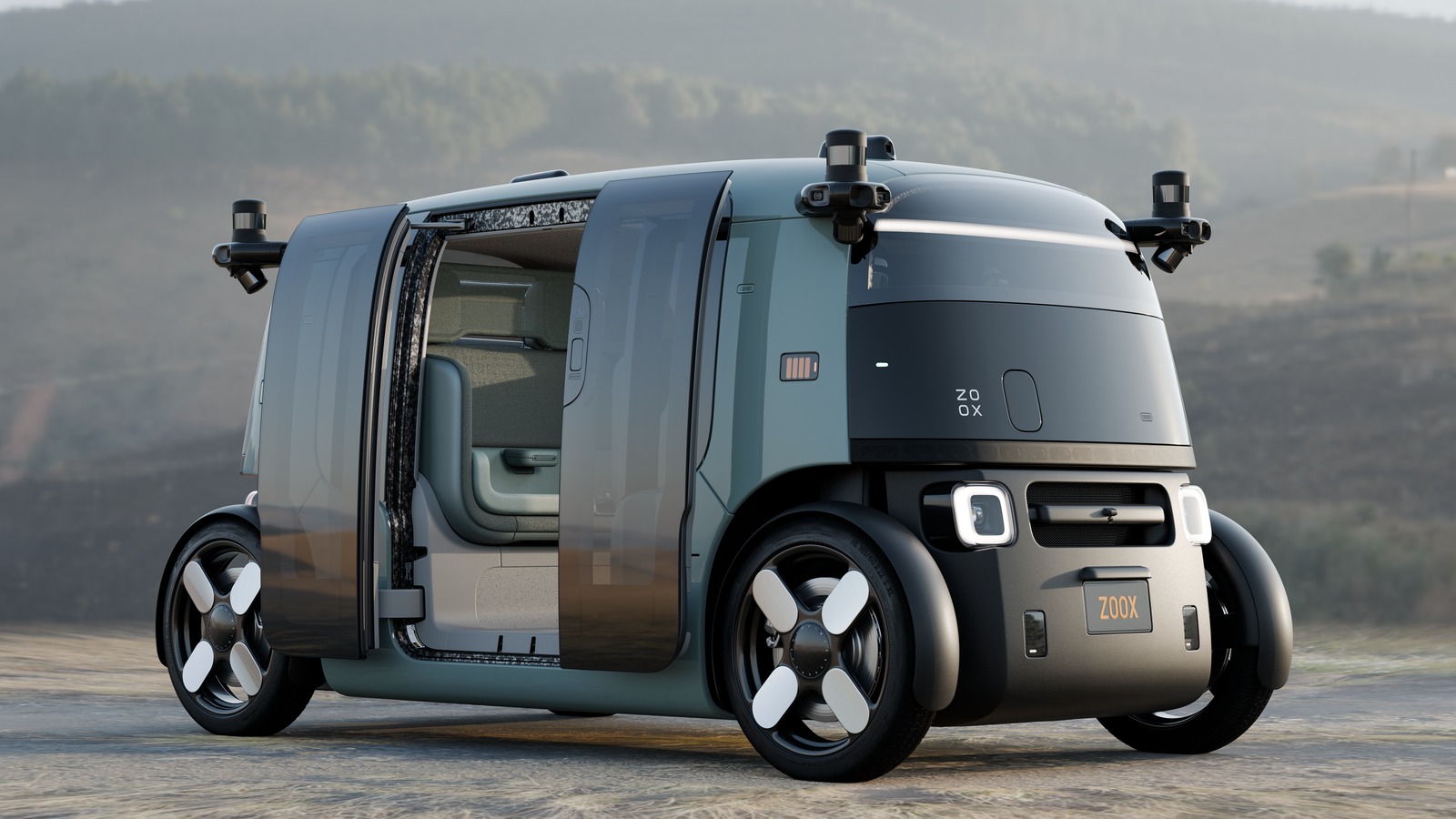
The updated Zoox robotaxi is not a wild redesign. That is the point. Amazon’s autonomous-vehicle company is showing a production-intent version of its driverless ride-hailing pod. The changes are smaller, but they matter for riders, road users, and fleet growth.
Zoox says the new model reflects testing, early deployments, and feedback from more than half a million riders. The shape still looks like the boxy, steering-wheel-free vehicle Zoox revealed years ago. However, the details now feel closer to a vehicle built for daily ride-hailing service.
What changed on the new Zoox robotaxi
The most visible updates are about communication. Zoox refined and relocated the robotaxi’s bidirectional reflectors. That should make it easier to tell the front from the rear.
That cue matters because the vehicle is symmetrical and can drive in either direction. A normal car gives people obvious front-and-back signals. A Zoox pod has to explain itself in a different way.
The company also added two-way audio to the door speaker and microphone. Riders should have a clearer way to interact through the vehicle. Zoox says the same system can also help road users, first responders, and Zoox Support communicate when needed.
The cabin gets calmer, not busier
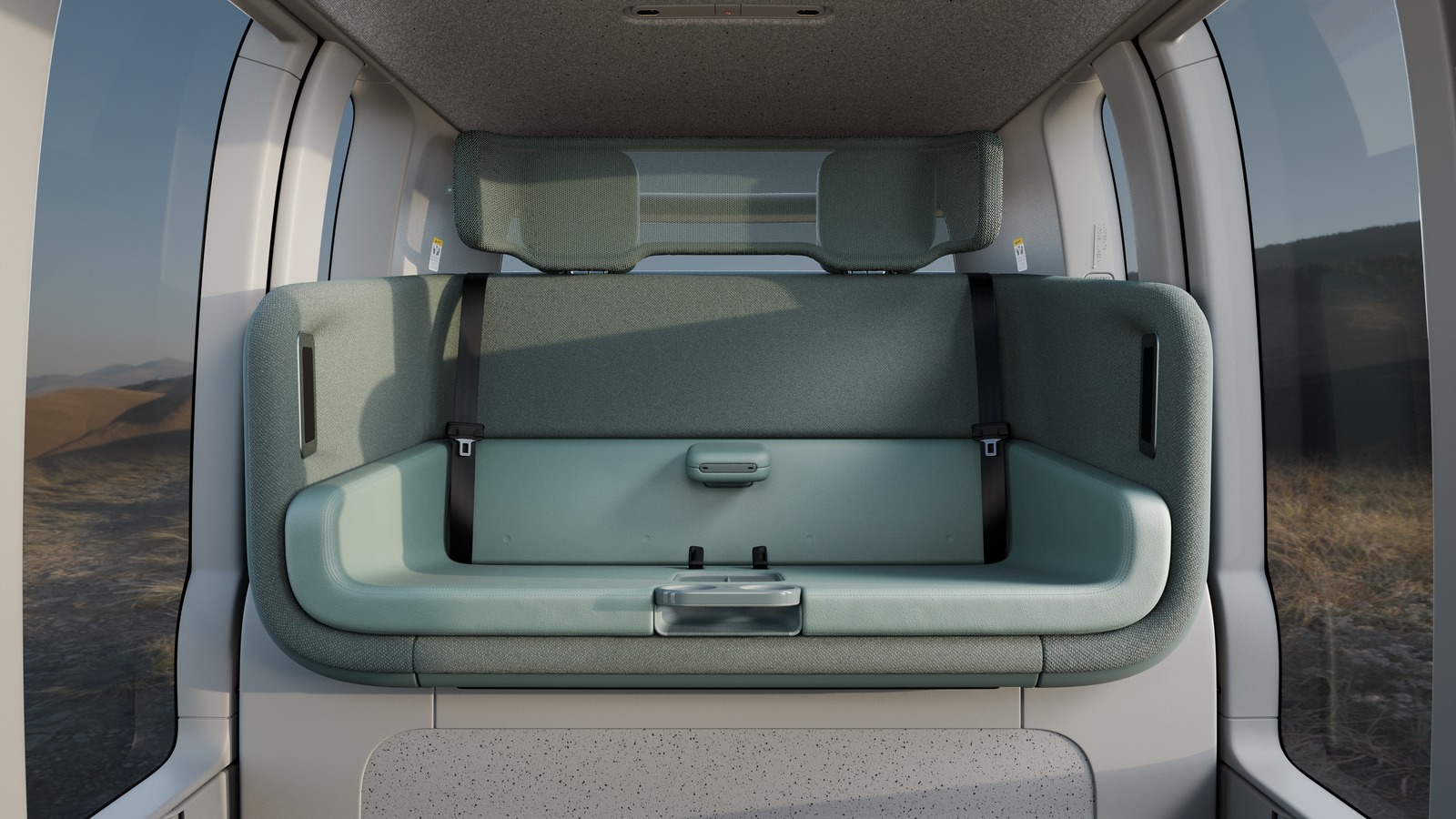
Inside, Zoox kept the carriage-style layout with four riders facing each other. The cabin now uses a lighter palette, with monochrome aloe green seating and stone-grey flooring and trim.
Zoox says the simpler color and material treatment should reduce visual distraction. It may also help riders spot phones, bags, and other small items before they leave the vehicle.
There are also practical comfort tweaks. The bench seats and headrests get new padding and ergonomic curves. The touchscreen should be more vivid, and the cupholders are larger.
None of that changes the basic robotaxi concept. Still, it makes the pod sound less like a prototype and more like something people may actually use after dinner, at the airport, or on a commute.
Built for a larger rollout
The bigger news is production. Zoox says this version will move into large-scale production at its Hayward, California robotaxi serial production facility.
The company says the vehicles will join its fleet later this year as they come off the line. It also says it can ramp up to 100 vehicles per week to support 2026 expansion plans. That plan still depends on regulatory approval.
That regulatory line is important. Robotaxi services still move city by city. Approvals, safety reporting, mapping, rider demand, and public trust all shape how quickly a fleet can grow.
Tech My Money has already covered how Uber and Wayve are preparing a London robotaxi waitlist. We also covered how Waymo opened its Ojai robotaxi service to first riders. Zoox is now trying to show that its purpose-built vehicle can scale alongside that wider autonomous-ride push.
For riders, the takeaway is simple: this is not Zoox reinventing its robotaxi. It is Zoox sanding down the rough edges before more people get inside.


