Oura IPO plans are now officially in motion. The smart ring maker still keeps the important numbers private. Oura Inc. says it confidentially sent a draft Form S-1 to the SEC for a proposed public offering.
The filing does not list a share count, a price range, or a date. Instead, Oura says the offering can move ahead after SEC review. Market conditions still matter too. That leaves investors and wearable fans waiting for the public S-1.
That document should show revenue, losses, margins, risk factors, and growth claims. Until then, this is a serious signal, not a finished Wall Street debut.
Why the Timing Makes Sense
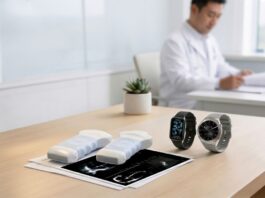
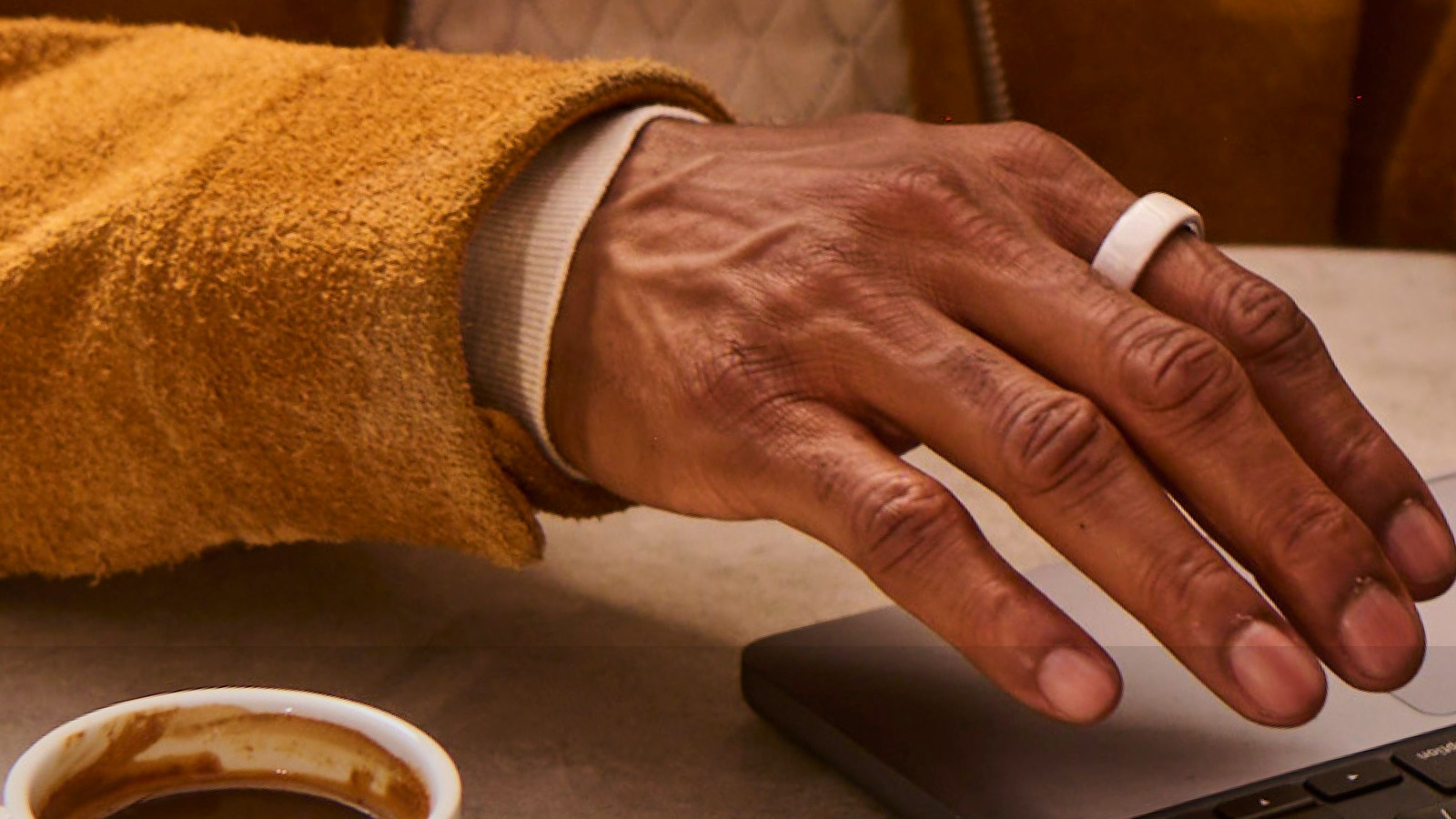
Oura has spent years turning the Oura Ring into a mainstream smart ring. It tracks sleep, readiness, activity, stress, heart health, and related wellness signals. Because it lives on a finger, it also avoids the extra-screen problem of a smartwatch.
That matters now because smart rings no longer look like a side category. Samsung has already pushed the Galaxy Ring into the mainstream conversation. Meanwhile, more wearable makers keep chasing smaller health devices.
Oura also has a subscription-driven business around daily insights. So the IPO story has a software angle, not just a gadget-sales pitch.
What Readers Should Watch Next
Still, a confidential filing only starts the process. The public paperwork will matter much more than today’s announcement. It should show how quickly Oura grows and how much it spends to win customers.
The filing should also reveal whether subscriptions can carry the business when hardware competition gets tougher. That question matters because Apple, Samsung, Garmin, and others keep adding health features.
For Tech My Money readers, the practical question is simple. Can Oura stay useful enough to justify both the ring price and the monthly membership? We have already seen wearable companies chase smaller designs and more passive health tracking, including Sony with its Reon Pocket Pro wearable cooler.
Oura now has to prove smart rings can become a durable public-market business. Otherwise, the category risks looking like a polished health-tech trend with a premium price tag.